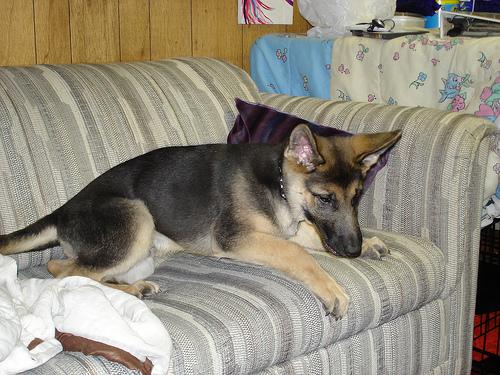
Overview
The German Shepherd Dog (GSD) is renowned for its intelligence, loyalty, and versatility. Originally developed in Germany for herding sheep, German Shepherds now serve in police work, military roles, search and rescue, and as devoted family companions. Their working heritage contributes to specific health considerations that owners should understand to maximize their German Shepherd's lifespan.
Factors That Affect German Shepherd Lifespan
Several key factors influence how long a German Shepherd lives:
- Breeding practices and genetic screening of parents
- Weight management — obesity significantly impacts joint health
- Exercise intensity appropriate for age and health status
- Early screening for degenerative myelopathy (DM)
- Hip and elbow dysplasia prevention and management
- Quality nutrition with joint-supporting supplements
Common Health Issues in German Shepherds
Understanding breed-specific health conditions helps owners recognize problems early:
| Health Issue | Description |
|---|---|
| Hip Dysplasia | Affects approximately 19% of German Shepherds. This genetic condition causes malformation of the hip joint, leading to arthritis and mobility issues. Responsible breeders screen for this condition. |
| Degenerative Myelopathy (DM) | A progressive spinal cord disease similar to ALS in humans. Affects approximately 2% of GSDs, typically appearing in dogs 8+ years old. DNA testing can identify at-risk dogs. |
| Bloat (Gastric Dilatation-Volvulus) | A life-threatening emergency where the stomach twists on itself. Large, deep-chested breeds like GSDs are at high risk. Feed multiple small meals and avoid exercise immediately after eating. |
| Elbow Dysplasia | An inherited condition affecting the elbow joint that can cause lameness. Weight control and joint supplements help manage symptoms. |
| Exocrine Pancreatic Insufficiency (EPI) | A condition where the pancreas fails to produce enough digestive enzymes, leading to weight loss and malnutrition despite a good appetite. Affects about 1% of GSDs. |
German Shepherd Care by Life Stage
Your German Shepherd's care needs change significantly throughout their life:
Puppy (0-1 year)
Feed large-breed puppy food for controlled growth. Begin early socialization — German Shepherds need extensive positive exposure to people, places, and situations. Start basic obedience training early to channel intelligence constructively.
Young Adult (1-2 years)
Transition to adult food. Establish a consistent exercise routine including both physical activity and mental challenges. German Shepherds need a "job" — training, agility, scent work, or structured play. Continue socialization throughout this period.
Adult (2-6 years)
Maintain rigorous exercise: 60-90 minutes daily of combined physical and mental activity. Schedule annual vet visits with hip evaluations. Monitor weight carefully — excess weight accelerates joint degeneration. Consider pet insurance before age-related issues develop.
Senior (6-9 years)
Watch for early signs of DM: hind leg weakness, knuckling, or dragging paws. Reduce high-impact exercise but maintain daily walks. Switch to senior food with glucosamine and chondroitin. Increase vet visits to bi-annual.
Geriatric (9+ years)
Provide non-slip flooring surfaces. Consider mobility aids like harnesses and ramps. Monitor for signs of pain or cognitive decline. Adjust home environment for accessibility. Focus on comfort and quality of life.
Expert Tips for Extending Your German Shepherd's Lifespan
- Choose a reputable breeder who performs OFA hip/elbow certifications and DM DNA testing
- Feed 2-3 smaller meals daily instead of one large meal to reduce bloat risk
- Provide mental stimulation through puzzle toys, training sessions, and scent games
- Start joint supplements (glucosamine, chondroitin, MSM) early as a preventive measure
- Maintain a lean body condition — you should see a visible waist from above
- Brush teeth regularly — German Shepherds are prone to periodontal disease
- Consider gastropexy surgery (stomach tacking) during spay/neuter to prevent bloat
Life Stage Overview
Puppy: 0-1yr | Young Adult: 1-2yr | Adult: 2-6yr | Senior: 6-9yr | Geriatric: 9yr+