Overview
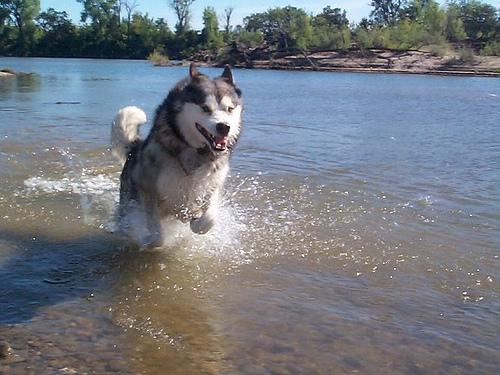
Alaskan Malamutes are powerful, majestic Arctic sled dogs — one of the oldest breeds in North America, developed by the Mahlemut Inuit people for hauling heavy freight across frozen terrain. With their wolf-like appearance, thick double coats, and incredible strength, Malamutes are affectionate family dogs with a playful, sometimes mischievous streak. They are one of the healthier large breeds, with many Malamutes living 12-14 years when properly cared for.
Factors That Affect Alaskan Malamute Lifespan
Several key factors influence how long a Alaskan Malamute lives:
- Hip dysplasia screening and management
- Bloat prevention in this deep-chested breed
- Inherited polyneuropathy awareness
- Eye health — cataracts and corneal dystrophy
- Heat sensitivity — their Arctic coat makes them heat-vulnerable
- Exercise needs appropriate for this working breed
Common Health Issues in Alaskan Malamutes
Understanding breed-specific health conditions helps owners recognize problems early:
| Health Issue | Description |
|---|---|
| Hip Dysplasia | Affects approximately 12% of Alaskan Malamutes. OFA screening for breeding dogs is recommended. Weight management and controlled exercise during growth are essential preventive measures. |
| Bloat (GDV) | Like other deep-chested large breeds, Malamutes are at risk for this life-threatening stomach twisting emergency. Feed 2-3 smaller meals daily. Avoid exercise around mealtimes. |
| Inherited Polyneuropathy | A genetic condition causing nerve degeneration and progressive hind leg weakness. Onset typically in adulthood. DNA testing can identify carriers for breeding decisions. |
| Cataracts | Malamutes are predisposed to hereditary cataracts. Annual eye exams by an ophthalmologist help catch cataracts early. Surgical removal can restore vision. |
| Corneal Dystrophy | A condition causing opacity in the cornea surface. While usually not painful, it can affect vision. Regular eye exams monitor progression. |
| Hypothyroidism | An underactive thyroid causing weight gain, hair loss, and lethargy. Blood work confirms diagnosis. Lifetime daily medication effectively manages this condition. |
Alaskan Malamute Care by Life Stage
Your Alaskan Malamute's care needs change significantly throughout their life:
Puppy (0-1 year)
Feed large-breed puppy food for controlled growth to protect joints. Begin early socialization — Malamutes are pack-oriented and need positive exposure. Start obedience with consistent, firm but positive methods. Never exercise in heat.
Young Adult (1-2 years)
Transition to adult large-breed food. Provide 60+ minutes of exercise daily in cool temperatures. Schedule first eye exam and hip evaluation. Secure yard with dig-proof fencing — Malamutes are escape artists.
Adult (2-8 years)
Maintain exercise routine. Feed 2-3 meals daily to reduce bloat risk. Schedule annual eye exams. Brush thick coat 3-4 times weekly. Never exercise in heat. Provide mental stimulation and a sense of purpose.
Senior (8-11 years)
Switch to senior food with joint support. Reduce exercise intensity. Increase vet visits to bi-annual including eye and thyroid checks. Monitor for polyneuropathy: hind leg weakness, unsteady gait.
Geriatric (11+ years)
Provide supportive soft bedding. Continue gentle walks. Keep cool in summer. Monitor for cognitive decline and mobility changes. Focus on comfort and the deep pack bond.
Expert Tips for Extending Your Alaskan Malamute's Lifespan
- Provide at least 60 minutes of exercise daily — Malamutes are born to work
- Feed 2-3 smaller meals daily to reduce bloat risk
- Never exercise your Malamute in temperatures above 70°F (21°C)
- Schedule annual eye exams with a veterinary ophthalmologist
- Brush their thick double coat 3-4 times weekly, daily during shedding season
- Secure your yard with buried fencing — Malamutes are legendary diggers and escape artists
- Never shave the double coat — it regulates temperature in all seasons
Life Stage Overview
Puppy: 0-1yr | Young Adult: 1-2yr | Adult: 2-8yr | Senior: 8-11yr | Geriatric: 11yr+