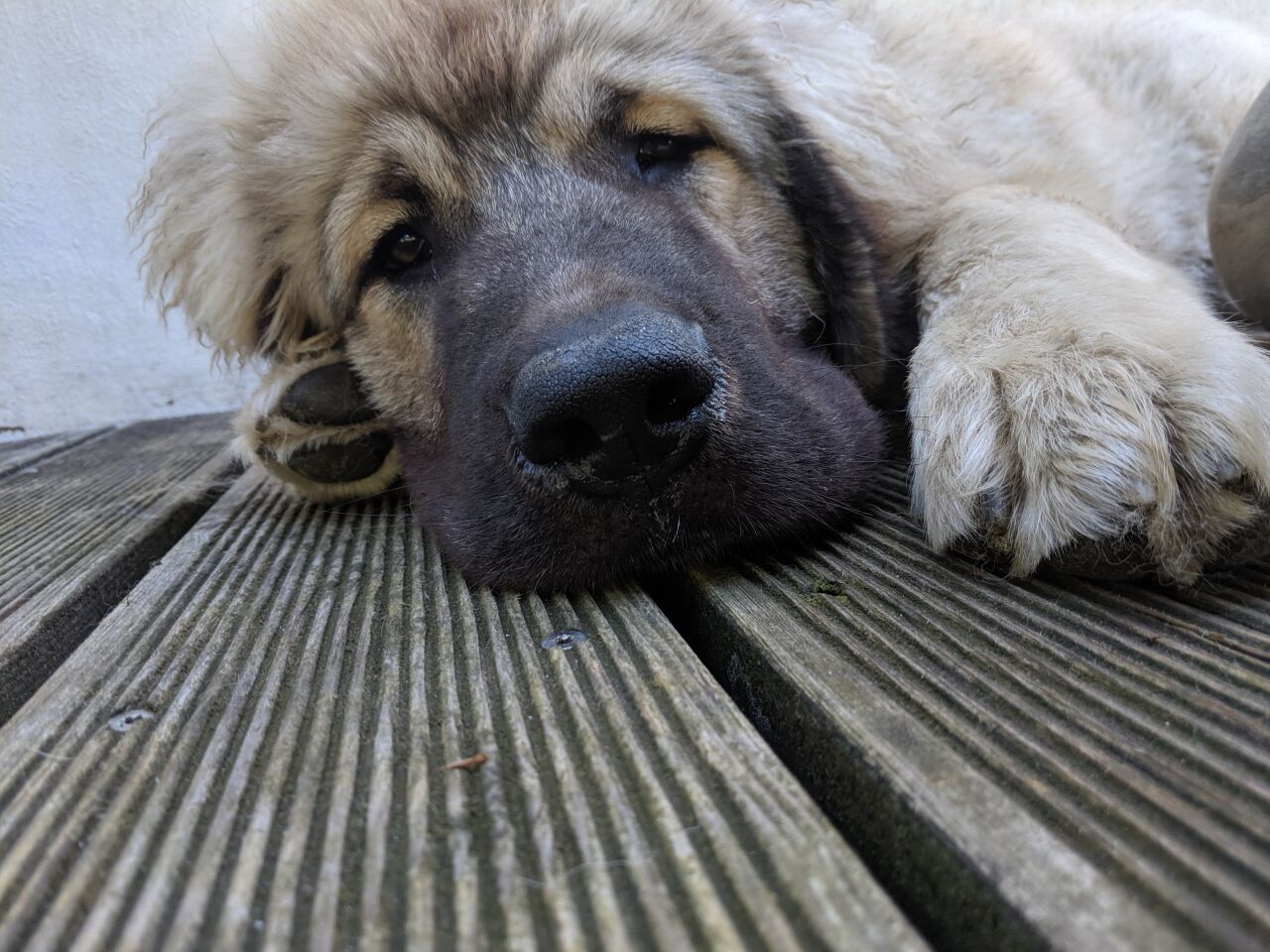
Overview
Despite their name, Australian Shepherds were actually developed in the American West as versatile ranch dogs. These intelligent, energetic herding dogs are beloved for their stunning merle coats, striking blue or heterochromatic eyes, and incredible work ethic. Aussies are generally healthy dogs with good longevity, but they have several breed-specific health concerns including drug sensitivity that every owner must know about.
Factors That Affect Australian Shepherd Lifespan
Several key factors influence how long a Australian Shepherd lives:
- MDR1 genetic mutation — affects medication safety for about 50% of Aussies
- Hip and elbow dysplasia screening
- Eye health — Aussies are prone to several inherited eye conditions
- Epilepsy management — the breed has higher seizure rates
- Exercise and mental stimulation to prevent behavioral issues
- Responsible breeding with full health testing panel
Common Health Issues in Australian Shepherds
Understanding breed-specific health conditions helps owners recognize problems early:
| Health Issue | Description |
|---|---|
| Hip Dysplasia | Affects approximately 10% of Australian Shepherds. This genetic condition causes hip joint malformation and arthritis. Maintaining lean weight and appropriate exercise helps manage symptoms. |
| Epilepsy | Australian Shepherds have higher rates of idiopathic epilepsy than many breeds. Seizures typically begin between ages 1-3. Most cases can be well-managed with anti-seizure medication. |
| Collie Eye Anomaly (CEA) | An inherited condition affecting the retina and choroid that can cause vision impairment or blindness. DNA testing can identify affected dogs and carriers. Screening by an ophthalmologist is recommended. |
| Cataracts | Australian Shepherds can develop hereditary cataracts, sometimes as early as 6 months of age. Annual eye exams help catch this condition early. |
| MDR1 Drug Sensitivity | About 50% of Australian Shepherds carry a genetic mutation that makes them sensitive to certain common medications including ivermectin, loperamide, and several chemotherapy drugs. DNA testing is available. |
| Elbow Dysplasia | A developmental condition affecting elbow joints. Less common than hip dysplasia but can cause significant forelimb lameness. Weight management and joint supplements help. |
Australian Shepherd Care by Life Stage
Your Australian Shepherd's care needs change significantly throughout their life:
Puppy (0-1 year)
Feed medium-breed puppy food. Begin socialization immediately — expose to people, places, and situations. Start basic obedience — Aussies are brilliant and need mental challenges. Avoid strenuous exercise on developing joints. Get MDR1 DNA test.
Young Adult (1-2 years)
Transition to adult food. Provide 60-90 minutes of exercise daily — running, herding, agility. Mental stimulation is equally important: puzzle toys, training, dog sports. Schedule first ophthalmologist eye exam.
Adult (2-8 years)
Maintain high exercise and mental stimulation levels. Aussies need a job — dog sports, herding, advanced training. Schedule annual eye exams and hip evaluations. Feed a high-quality diet. Maintain lean body weight.
Senior (8-12 years)
Reduce exercise intensity but maintain daily activity. Switch to senior food with joint support. Increase vet visits to bi-annual. Watch for vision and hearing changes. Monitor for age-related health changes.
Geriatric (12+ years)
Provide soft orthopedic bedding. Continue gentle walks and mental games. Monitor for cognitive decline. Keep home environment calm and predictable. Focus on comfort and quality time.
Expert Tips for Extending Your Australian Shepherd's Lifespan
- Get your Aussie DNA tested for MDR1 — this affects which medications are safe
- Provide at least 60 minutes of vigorous exercise daily plus mental challenges
- Enroll in dog sports like agility, herding, or flyball — Aussies need a job
- Schedule annual eye exams with a veterinary ophthalmologist
- Brush your Aussie's thick coat 2-3 times weekly to prevent matting
- Never shave their double coat — it regulates temperature in all seasons
- Teach a strong recall — their herding instinct can lead them to chase cars and bikes
Life Stage Overview
Puppy: 0-1yr | Young Adult: 1-2yr | Adult: 2-8yr | Senior: 8-12yr | Geriatric: 12yr+