Overview
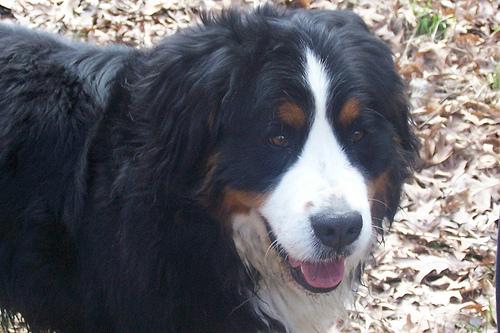
Bernese Mountain Dogs, with their striking tricolor coats and gentle souls, are among the most beautiful and beloved giant breeds. Originating from the Swiss Alps where they worked as farm dogs pulling carts and herding cattle, Berners are known for their calm, affectionate nature with families. Tragically, this breed has one of the shortest lifespans of all dogs, with cancer being the leading cause of death.
Factors That Affect Bernese Mountain Dog Lifespan
Several key factors influence how long a Bernese Mountain Dog lives:
- Cancer risk — the single greatest threat to Bernese Mountain Dogs
- Hip and elbow dysplasia prevention and management
- Controlled growth in puppyhood to protect developing joints
- Bloat prevention in this deep-chested breed
- Heat sensitivity — their thick coats make them prone to overheating
- Quality nutrition formulated for giant breed needs
Common Health Issues in Bernese Mountain Dogs
Understanding breed-specific health conditions helps owners recognize problems early:
| Health Issue | Description |
|---|---|
| Cancer | The leading cause of death in Bernese Mountain Dogs. Malignant histiocytosis is especially common, affecting up to 25% of the breed. Other common cancers include lymphoma, osteosarcoma, and mast cell tumors. Early detection is critical. |
| Hip Dysplasia | Very common in giant breeds. Affects approximately 15-20% of Berners. Causes joint pain and arthritis. OFA screening, weight management, and joint supplements help manage this condition. |
| Elbow Dysplasia | A developmental condition affecting elbow joints that can cause significant forelimb lameness. Berners have the highest rate among AKC breeds at nearly 20%. Surgical correction may be needed. |
| Bloat (GDV) | Life-threatening stomach twisting emergency. Berners have deep chests putting them at high risk. Feed multiple small meals and avoid exercise around mealtimes. Prophylactic gastropexy is recommended. |
| Kidney Disease | Glomerulonephritis and other kidney conditions appear with some frequency in Berners. Regular blood work and urinalysis help catch kidney decline early. |
| Progressive Retinal Atrophy (PRA) | An inherited eye disease causing gradual vision loss. DNA testing can identify carriers for breeding decisions. |
Bernese Mountain Dog Care by Life Stage
Your Bernese Mountain Dog's care needs change significantly throughout their life:
Puppy (0-1 year)
Feed giant-breed puppy food for slow, controlled growth. Avoid overfeeding — rapid growth damages developing joints. Begin gentle socialization. Start basic obedience with positive methods. Limit high-impact exercise on hard surfaces.
Young Adult (1-2 years)
Transition to adult giant-breed food. Establish moderate exercise — daily walks, no marathon running. Schedule OFA hip/elbow evaluations. Consider prophylactic gastropexy surgery. Continue socialization and training.
Adult (2-5 years)
Maintain ideal body weight. Feed 2-3 meals daily to reduce bloat risk. Provide daily moderate exercise in cool temperatures. Schedule annual vet visits. Monitor for cancer signs: lumps, weight loss, lethargy.
Senior (5-7 years)
Switch to senior food with joint support. Increase vet visits to bi-annual with cancer screening. Provide orthopedic bedding. Reduce exercise intensity. Watch for mobility changes. Start glucosamine supplements.
Geriatric (7+ years)
Every day is precious. Provide comfortable supportive bedding and ramps. Monitor for pain. Focus on comfort and dignity. Manage chronic conditions with veterinary guidance. Cherish every moment with your gentle giant.
Expert Tips for Extending Your Bernese Mountain Dog's Lifespan
- Choose a breeder who openly discusses cancer history in their lines and screens extensively
- Perform monthly body checks for lumps and bumps — early cancer detection is crucial
- Consider pet insurance before any pre-existing conditions develop
- Feed 2-3 smaller meals daily to reduce bloat risk
- Never exercise your Berner in hot or humid weather
- Start joint supplements early as preventive care
- Discuss prophylactic gastropexy with your vet during spay/neuter surgery
Life Stage Overview
Puppy: 0-1yr | Young Adult: 1-2yr | Adult: 2-5yr | Senior: 5-7yr | Geriatric: 7yr+