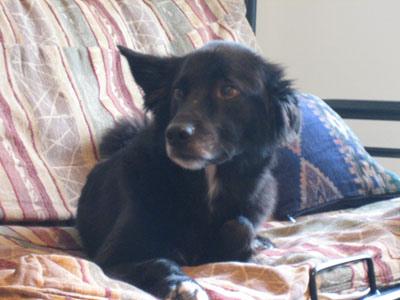
Overview
Border Collies are widely considered the most intelligent dog breed in the world, with an unmatched combination of brains, athleticism, and work ethic. Developed along the English-Scottish border for herding sheep, these brilliant dogs have an intense drive to work and learn. Their high energy and mental needs are the most important care considerations, but Border Collies are generally a healthy breed with good longevity when properly cared for.
Factors That Affect Border Collie Lifespan
Several key factors influence how long a Border Collie lives:
- MDR1 genetic testing for medication safety
- Eye health — CEA and PRA screening
- Hip dysplasia prevention through appropriate exercise
- Mental stimulation — lack of it causes behavioral problems
- Epilepsy monitoring — Border Collies have elevated seizure rates
- Responsible breeding with complete health screening
Common Health Issues in Border Collies
Understanding breed-specific health conditions helps owners recognize problems early:
| Health Issue | Description |
|---|---|
| Collie Eye Anomaly (CEA) | An inherited condition affecting the retina and choroid that can cause vision impairment. All Border Collie puppies should be screened by an ophthalmologist. DNA testing identifies carriers for breeding decisions. |
| Hip Dysplasia | Affects approximately 10-13% of Border Collies. This genetic condition causes hip joint malformation and arthritis. Weight management and appropriate exercise are essential. |
| Epilepsy | Border Collies have higher rates of idiopathic epilepsy than the general dog population. Seizures typically begin between ages 1-4. Most dogs can achieve good seizure control with medication. |
| MDR1 Drug Sensitivity | A genetic mutation causing dangerous sensitivity to certain common medications. Affects 3-5% of Border Collies. DNA testing before any new medication is recommended. |
| Osteochondritis Dissecans (OCD) | A developmental condition where cartilage separates from bone in joints, typically shoulders. Related to rapid growth and genetics. Can require surgery in severe cases. |
| Deafness | Congenital deafness can occur in Border Collies, particularly those with mostly white heads. BAER hearing testing can identify deaf puppies. |
Border Collie Care by Life Stage
Your Border Collie's care needs change significantly throughout their life:
Puppy (0-1 year)
Get MDR1 DNA test and BAER hearing test. Feed medium-breed puppy food. Avoid high-impact exercise on developing joints. Begin early socialization and basic training. Provide mental challenges appropriate for puppy attention span. Start crate training.
Young Adult (1-2 years)
Transition to adult food. Provide minimum 60-90 minutes of vigorous exercise daily. Mental stimulation is equally critical: advanced training, puzzle toys, herding activities. Schedule first ophthalmologist exam. Beware of obsessive behaviors — redirect early.
Adult (2-8 years)
Maintain high-level exercise and mental challenges. Border Collies absolutely need a job — dog sports, herding, advanced tricks. Schedule annual eye exams. Monitor hips for signs of dysplasia. Provide a predictable routine.
Senior (8-12 years)
Reduce physical exercise intensity but maintain mental stimulation. Switch to senior food. Increase vet visits to bi-annual. Watch for vision and mobility changes. Senior Border Collies may become more anxious — maintain routine.
Geriatric (12+ years)
Provide soft bedding for aging joints. Continue gentle walks and mental games. Keep home environment consistent. Monitor for cognitive decline. Focus on comfort, affection, and maintaining their dignity.
Expert Tips for Extending Your Border Collie's Lifespan
- Provide at least 90 minutes of exercise daily plus extensive mental challenges
- Border Collies need a job — dog sports, herding, agility, or advanced trick training
- Get your Border Collie DNA tested for MDR1 and CEA before any medication
- Schedule annual eye exams with a veterinary ophthalmologist
- Never use physical punishment — Border Collies are extremely sensitive
- Watch for obsessive behaviors like shadow chasing — intervene early
- Socialize extensively in first year to prevent anxiety and reactivity
Life Stage Overview
Puppy: 0-1yr | Young Adult: 1-2yr | Adult: 2-8yr | Senior: 8-12yr | Geriatric: 12yr+