Overview
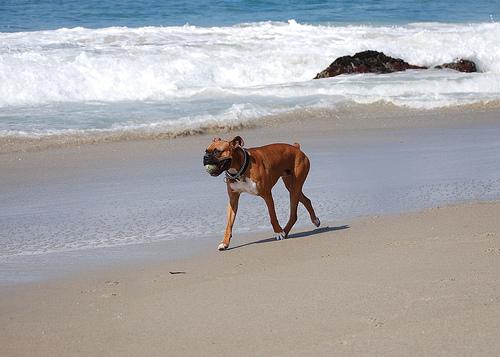
Boxers are energetic, loyal, and playful dogs known for their boundless enthusiasm and affectionate nature. With their distinctive square head and muscular build, Boxers make excellent family guardians and companions. However, as a large breed with specific genetic predispositions, Boxers face significant health challenges — particularly cancer and heart disease — that owners should understand to maximize their dog's lifespan.
Factors That Affect Boxer Lifespan
Several key factors influence how long a Boxer lives:
- Cancer risk — Boxers have one of the highest cancer rates among all breeds
- Heart health monitoring for Boxer cardiomyopathy
- Responsible breeding with health certifications
- Temperature regulation — Boxers overheat easily due to their brachycephalic features
- Exercise management — they need activity but are prone to overheating
- Diet quality with anti-inflammatory nutrients
Common Health Issues in Boxers
Understanding breed-specific health conditions helps owners recognize problems early:
| Health Issue | Description |
|---|---|
| Cancer | The leading cause of death in Boxers. Lymphoma, mast cell tumors, and brain tumors are especially common. Regular lump checks and veterinary screening are essential. |
| Boxer Cardiomyopathy | A genetic heart condition causing irregular heartbeats (arrhythmias) that can lead to sudden death. Affects approximately 20% of Boxers. Annual Holter monitor testing is recommended. |
| Aortic Stenosis | A congenital heart defect where the aortic valve is narrowed, forcing the heart to work harder. Can cause fainting, exercise intolerance, and heart failure. |
| Hip Dysplasia | Common in large breeds, causing joint pain and arthritis. OFA testing shows about 16% of Boxers have abnormal hips. Weight management and joint supplements help. |
| Degenerative Myelopathy (DM) | A progressive spinal cord disease affecting older Boxers. Causes hind leg weakness and eventual paralysis. DNA testing is available. |
| Bloat (GDV) | A life-threatening emergency where the stomach twists. Boxers' deep chests put them at risk. Feed multiple small meals and avoid exercise after eating. |
Boxer Care by Life Stage
Your Boxer's care needs change significantly throughout their life:
Puppy (0-1 year)
Feed large-breed puppy food for controlled growth. Begin socialization immediately — Boxers are naturally protective and need positive exposure. Start basic obedience with positive reinforcement. Avoid overheating during play.
Young Adult (1-2 years)
Transition to adult food. Establish consistent exercise routine — Boxers have high energy but limit activity in hot weather. Schedule cardiac evaluation to establish baseline. Continue training and mental stimulation.
Adult (2-6 years)
Schedule annual Holter monitor testing for arrhythmias. Monitor for lumps and bumps weekly. Provide 60+ minutes of exercise daily in cool temperatures. Maintain ideal body weight. Feed 2-3 smaller meals to reduce bloat risk.
Senior (6-9 years)
Increase vet visits to bi-annual including cardiac screening. Switch to senior food with joint support. Reduce exercise intensity. Monitor closely for cancer warning signs. Watch for mobility changes indicating DM.
Geriatric (9+ years)
Comfortable orthopedic bedding is essential. Monitor heart health closely. Watch for signs of cognitive decline. Focus on pain management and quality of life. Provide gentle, consistent routine.
Expert Tips for Extending Your Boxer's Lifespan
- Schedule annual Holter monitor testing starting at age 2 to screen for cardiomyopathy
- Perform weekly full-body checks for lumps, bumps, and skin changes
- Never exercise your Boxer during hot weather — they overheat dangerously fast
- Feed 2-3 smaller meals daily instead of one large meal to reduce bloat risk
- Consider gastropexy surgery during spay/neuter to prevent bloat
- Choose a breeder who performs heart screenings (echocardiogram and Holter)
- Start joint supplements early as a preventive measure
Life Stage Overview
Puppy: 0-1yr | Young Adult: 1-2yr | Adult: 2-6yr | Senior: 6-9yr | Geriatric: 9yr+