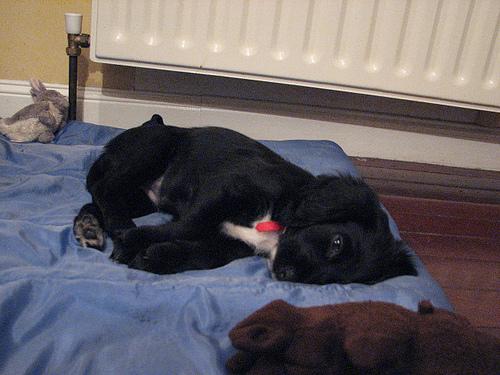
Overview
Cavalier King Charles Spaniels are among the most affectionate and gentle companion dogs, with soulful eyes and silky coats that melt hearts. Named after King Charles II of England, these spaniels were bred to be lap dogs for nobility. While they excel as loving family pets, Cavaliers unfortunately face two devastating breed-specific health conditions — mitral valve disease and syringomyelia — that every owner should understand.
Factors That Affect Cavalier King Charles Spaniel Lifespan
Several key factors influence how long a Cavalier King Charles Spaniel lives:
- Mitral valve disease — nearly all Cavaliers develop this heart condition with age
- Syringomyelia screening and breeding selection
- Weight management to reduce heart strain
- Regular cardiac monitoring starting in middle age
- Quality nutrition with heart-supportive nutrients
- Responsible breeding from health-tested lines
Common Health Issues in Cavalier King Charles Spaniels
Understanding breed-specific health conditions helps owners recognize problems early:
| Health Issue | Description |
|---|---|
| Mitral Valve Disease (MVD) | The most significant health concern for Cavaliers. Over 90% of Cavaliers develop MVD by age 10, with many showing signs by age 5. This progressive heart condition causes the mitral valve to degenerate, leading to heart failure. Annual cardiac exams are critical. |
| Syringomyelia (SM) | A severe neurological condition where fluid-filled cavities form within the spinal cord near the brain. Caused by a skull malformation common in Cavaliers. Symptoms include scratching at the neck, pain, and neurological deficits. MRI diagnosis is required. |
| Patellar Luxation | Dislocating kneecap causing intermittent lameness. Common in small breeds. Mild cases may not need treatment; severe cases benefit from surgical correction. |
| Hip Dysplasia | Less common in Cavaliers than larger breeds but still occurs. OFA screening helps identify affected dogs for breeding decisions. |
| Eye Problems | Cavaliers can develop cataracts, dry eye, and retinal problems. Annual eye examinations by a veterinary ophthalmologist are recommended. |
| Ear Infections | Their long, floppy ears create a warm moist environment for infections. Regular cleaning and keeping ears dry after baths is essential. |
Cavalier King Charles Spaniel Care by Life Stage
Your Cavalier King Charles Spaniel's care needs change significantly throughout their life:
Puppy (0-1 year)
Feed small-breed puppy food in measured portions. Begin socialization — Cavaliers are naturally friendly but benefit from positive exposure. Start basic obedience with gentle methods. Begin dental care routine early.
Young Adult (1-2 years)
Transition to adult food. Provide moderate exercise — daily walks and playtime. Schedule first cardiac evaluation including auscultation. Continue socialization. Establish regular grooming routine for their silky coat.
Adult (2-7 years)
Schedule annual cardiac exams — listen for heart murmurs. Maintain healthy weight to reduce heart strain. Provide daily walks and indoor play. Watch for SM signs: phantom scratching, neck sensitivity. Clean ears weekly.
Senior (7-10 years)
Increase cardiac monitoring to bi-annual including echocardiogram. Switch to senior food. Watch for heart failure signs: coughing, exercise intolerance, rapid breathing. Reduce exercise intensity. Provide comfortable bedding.
Geriatric (10+ years)
Manage heart failure with veterinary medication protocol. Provide calm comfortable environment. Monitor breathing patterns. Watch for pain from SM or arthritis. Focus on comfort and quality time together.
Expert Tips for Extending Your Cavalier King Charles Spaniel's Lifespan
- Schedule annual cardiac exams starting at age 1 — early murmur detection is key
- Watch for syringomyelia signs: scratching near the neck, sensitivity to touch
- Maintain lean body weight — every extra pound strains the heart
- Clean ears weekly — their long ears are infection-prone
- Brush their silky coat 3-4 times weekly to prevent mats and tangles
- Choose a breeder who performs cardiac and MRI screening on breeding dogs
- Consider pet insurance early — Cavaliers may need lifelong cardiac medication
Life Stage Overview
Puppy: 0-1yr | Young Adult: 1-2yr | Adult: 2-7yr | Senior: 7-10yr | Geriatric: 10yr+