Overview
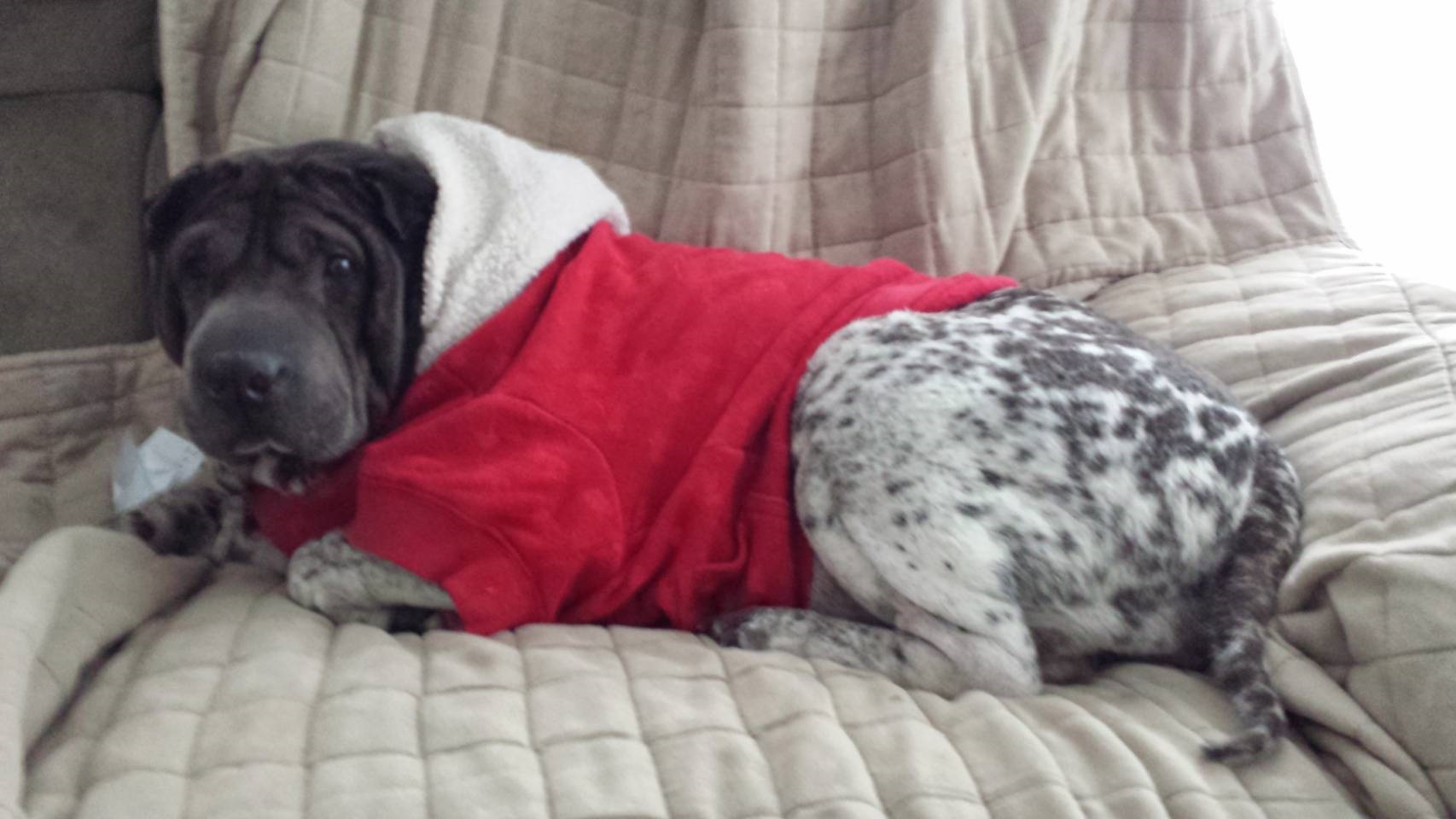
Chinese Shar-Peis are unmistakable with their deep wrinkles, blue-black tongues, and hippopotamus-like muzzles. One of the world's oldest breeds dating back over 2,000 years in southern China, Shar-Peis were originally guard dogs and hunters. While fiercely loyal and devoted to family, Shar-Peis have several significant breed-specific health concerns — including the potentially fatal Shar-Pei Fever — that require knowledgeable, vigilant ownership.
Factors That Affect Chinese Shar-Pei Lifespan
Several key factors influence how long a Chinese Shar-Pei lives:
- Shar-Pei Fever management — a breed-specific autoinflammatory condition
- Skin fold hygiene to prevent severe infections
- Entropion screening and surgical correction
- Kidney health monitoring — amyloidosis is a concern
- Hip dysplasia prevention through weight management
- Responsible breeding with health screening
Common Health Issues in Chinese Shar-Peis
Understanding breed-specific health conditions helps owners recognize problems early:
| Health Issue | Description |
|---|---|
| Familial Shar-Pei Fever (FSF) | A breed-specific autoinflammatory disease causing episodes of high fever and swollen hock joints. Affects up to 23% of Shar-Peis. Fever episodes can trigger amyloidosis and kidney failure. Requires veterinary management. |
| Amyloidosis | A complication of Shar-Pei Fever where abnormal amyloid proteins deposit in the kidneys and liver, leading to organ failure. Often fatal. Early detection through urine protein screening is critical. |
| Skin Fold Infections (Pyoderma) | The breed's characteristic wrinkles trap moisture and debris, causing severe bacterial and yeast infections. Daily cleaning of all skin folds with thorough drying is non-negotiable. |
| Entropion | Eyelids rolling inward causing eyelashes to scrape the cornea. Extremely common due to their wrinkled facial skin. Requires surgical correction (blepharoplasty) to prevent permanent eye damage and blindness. |
| Hip Dysplasia | Affects approximately 15% of Shar-Peis. OFA screening for breeding dogs is recommended. Weight management and joint supplements help. |
| Hypothyroidism | An underactive thyroid gland causing weight gain, hair loss, and skin problems. Blood work confirms diagnosis. Managed with daily medication. |
Chinese Shar-Pei Care by Life Stage
Your Chinese Shar-Pei's care needs change significantly throughout their life:
Puppy (0-1 year)
Begin daily skin fold cleaning routine immediately. Feed large-breed puppy food for controlled growth. Start early socialization — Shar-Peis can be aloof with strangers. Begin obedience training with positive methods. Schedule entropion evaluation.
Young Adult (1-2 years)
Transition to adult food. Maintain daily wrinkle care. Provide moderate daily exercise. Monitor for first Shar-Pei Fever episodes. Schedule hip evaluation. Address entropion with surgery if needed.
Adult (2-6 years)
Daily skin fold cleaning is non-negotiable. Schedule annual vet visits with urine protein screening. Monitor for Shar-Pei Fever episodes. Maintain healthy weight. Provide moderate exercise.
Senior (6-9 years)
Switch to senior food. Increase vet visits to bi-annual with kidney function monitoring. Watch for signs of kidney disease: increased thirst, weight loss, vomiting. Provide orthopedic bedding.
Geriatric (9+ years)
Manage chronic conditions with veterinary guidance. Monitor kidney function closely. Keep comfortable and cool — Shar-Peis are heat sensitive. Focus on comfort, dignity, and quality time.
Expert Tips for Extending Your Chinese Shar-Pei's Lifespan
- Clean and thoroughly dry all skin folds daily — this is your most important daily task
- Schedule frequent urine protein screening to catch amyloidosis early
- Learn to recognize Shar-Pei Fever: sudden lethargy, swollen hocks, high temperature
- Address entropion early — delayed correction causes permanent corneal scarring
- Choose a breeder who screens for Familial Shar-Pei Fever and uses health-tested lines
- Feed a high-quality diet; Shar-Peis can have food allergies that worsen skin problems
- Consider pet insurance — Shar-Peis often need lifelong medical management
Life Stage Overview
Puppy: 0-1yr | Young Adult: 1-2yr | Adult: 2-6yr | Senior: 6-9yr | Geriatric: 9yr+