Overview
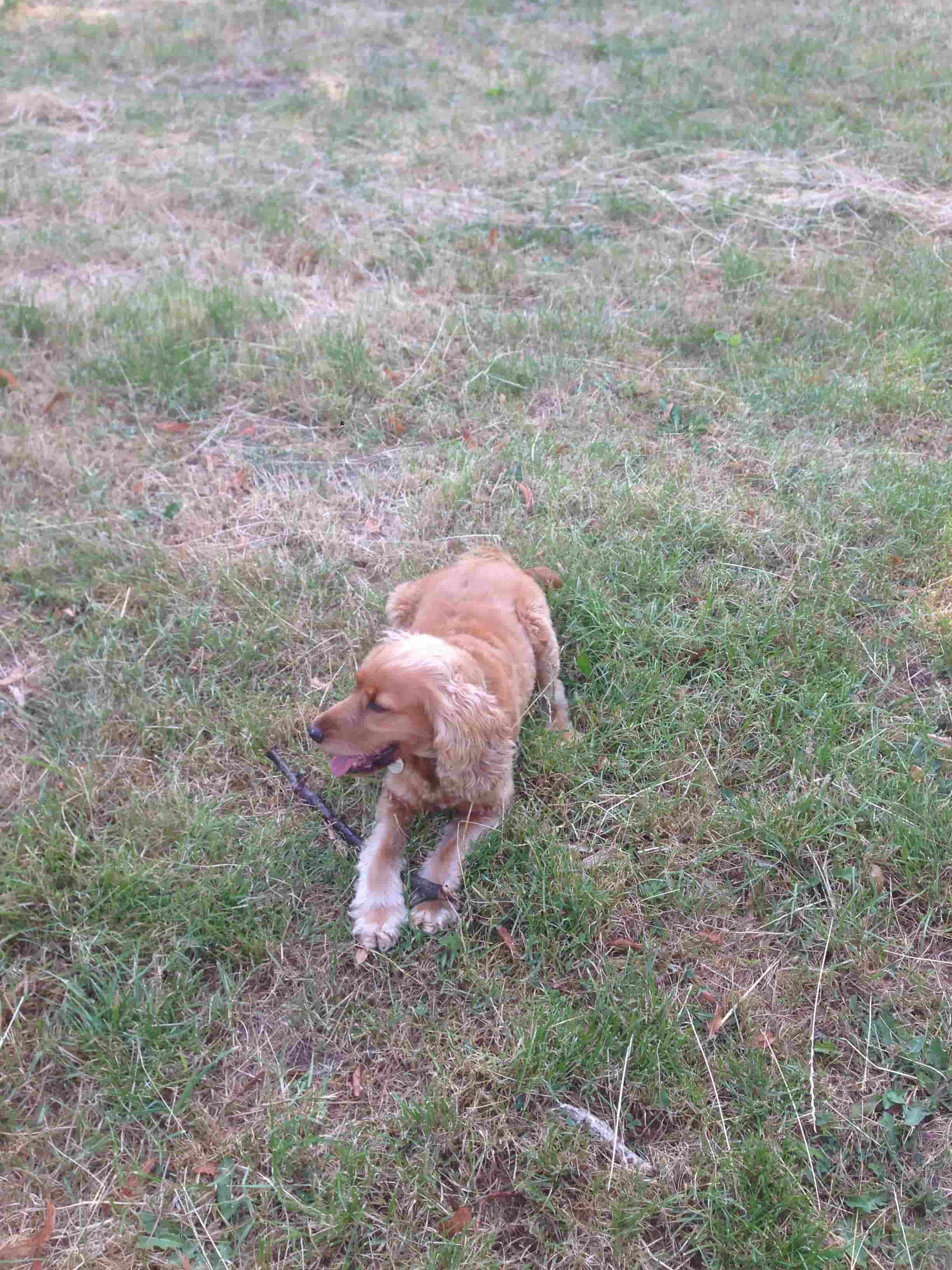
Cocker Spaniels, with their soulful eyes and ever-wagging tails, are among the most beloved family dogs in the world. Originally bred as hunting dogs for flushing woodcock, today's Cockers are cherished companions known for their sweet, gentle temperaments. While generally long-lived, Cocker Spaniels have several breed-specific health concerns, with ear infections being the most common issue due to their long, heavy, floppy ears.
Factors That Affect Cocker Spaniel Lifespan
Several key factors influence how long a Cocker Spaniel lives:
- Ear care — their floppy ears trap moisture and debris
- Eye health — Cockers are prone to several eye conditions
- Weight management — they gain weight easily
- Heart health monitoring for dilated cardiomyopathy
- Hip dysplasia prevention through exercise and weight control
- Regular grooming for their silky, high-maintenance coat
Common Health Issues in Cocker Spaniels
Understanding breed-specific health conditions helps owners recognize problems early:
| Health Issue | Description |
|---|---|
| Ear Infections | The #1 health complaint for Cocker Spaniels. Their long, heavy ears create a warm, moist environment ideal for bacterial and yeast growth. Weekly ear cleaning and keeping ears dry after baths is essential. |
| Progressive Retinal Atrophy (PRA) | An inherited disease causing gradual vision loss and eventual blindness. Cockers have a breed-specific form called prcd-PRA. DNA testing can identify affected dogs and carriers. |
| Cataracts | Cocker Spaniels are predisposed to hereditary cataracts that can appear in young adulthood. Annual eye exams help catch this condition early. Surgical removal can restore vision. |
| Hip Dysplasia | Affects Cockers at a moderate rate. Causes joint pain and arthritis. Weight management is the most effective preventive measure. OFA screening for breeding dogs is recommended. |
| Dilated Cardiomyopathy (DCM) | A heart muscle disease more common in American Cocker Spaniels. Causes heart enlargement and weakness. Annual cardiac screening helps catch this condition before heart failure develops. |
| Glaucoma | Increased pressure within the eye causing pain and blindness. Cockers have an elevated risk. Emergency treatment is needed to save vision. Annual eye pressure checks are recommended. |
Cocker Spaniel Care by Life Stage
Your Cocker Spaniel's care needs change significantly throughout their life:
Puppy (0-1 year)
Begin ear cleaning routine immediately — make it a positive weekly experience. Start grooming desensitization for their silky coat. Feed measured puppy food to prevent rapid growth. Begin gentle socialization and basic obedience.
Young Adult (1-2 years)
Transition to adult food with strict portion control. Clean ears weekly without fail. Schedule first ophthalmologist exam. Provide daily exercise: 30-45 minute walks. Continue training with positive methods.
Adult (2-8 years)
Maintain strict ear care — weekly cleaning and thorough drying after baths and swimming. Schedule annual eye exams and cardiac screening. Brush coat 2-3 times weekly. Keep lean — Cockers gain weight easily.
Senior (8-12 years)
Switch to senior food. Increase vet visits to bi-annual including eye pressure checks. Watch for vision changes and hearing loss. Reduce exercise intensity. Monitor for heart failure signs: coughing, exercise intolerance.
Geriatric (12+ years)
Provide soft bedding. Watch for cognitive decline. Keep home accessible. Continue gentle walks. Monitor for pain. Focus on comfort, familiar routine, and gentle affection.
Expert Tips for Extending Your Cocker Spaniel's Lifespan
- Clean ears weekly with veterinary-approved cleaner — this is the most important care task
- Thoroughly dry ears after every bath and swimming session
- Schedule annual eye exams including glaucoma pressure testing
- Brush coat 2-3 times weekly — Cockers have high-maintenance silky fur
- Maintain professional grooming every 6-8 weeks
- Keep your Cocker lean — they love food and gain weight extremely easily
- Consider pet insurance — Cockers may need lifelong eye and ear medications
Life Stage Overview
Puppy: 0-1yr | Young Adult: 1-2yr | Adult: 2-8yr | Senior: 8-12yr | Geriatric: 12yr+