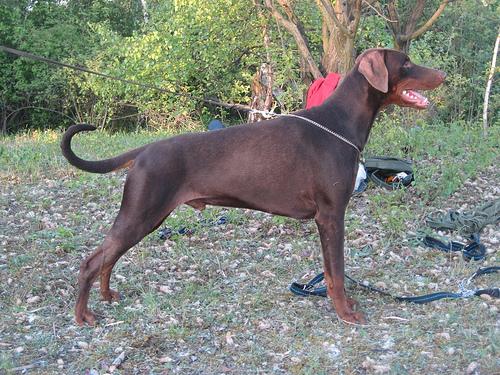
Overview
Doberman Pinschers are sleek, powerful dogs renowned for their loyalty, intelligence, and protectiveness. Developed in Germany as personal protection dogs, Dobermans are athletic and elegant athletes that form extremely strong bonds with their families. However, this breed faces one of the most serious heart health challenges in the dog world — dilated cardiomyopathy — which is the leading cause of death in the breed.
Factors That Affect Doberman Pinscher Lifespan
Several key factors influence how long a Doberman Pinscher lives:
- Heart health — DCM screening is the most critical health measure
- Genetic testing for von Willebrand disease
- Responsible breeding from health-tested lines
- Hip and cervical spine health monitoring
- Exercise appropriate for age — Dobermans are high-energy athletes
- Diet quality with heart-supportive nutrients like taurine
Common Health Issues in Doberman Pinschers
Understanding breed-specific health conditions helps owners recognize problems early:
| Health Issue | Description |
|---|---|
| Dilated Cardiomyopathy (DCM) | The #1 health concern for Dobermans, affecting up to 50% of the breed. This progressive heart disease causes the heart to enlarge and weaken, leading to heart failure. Annual echocardiograms and Holter monitoring are essential starting at age 2. |
| von Willebrand Disease (vWD) | An inherited bleeding disorder similar to hemophilia in humans. Affected dogs may bleed excessively from minor injuries or during surgery. DNA testing can identify carriers and affected dogs. |
| Hip Dysplasia | A genetic joint condition that can cause arthritis and mobility problems. OFA testing shows about 12% of Dobermans have abnormal hips. Weight management helps reduce symptoms. |
| Bloat (GDV) | Like other deep-chested breeds, Dobermans are at risk for this life-threatening stomach twisting emergency. Feed multiple small meals and avoid exercise around mealtimes. |
| Hypothyroidism | An underactive thyroid causing weight gain, hair loss, and lethargy. Blood work confirms diagnosis. Managed effectively with daily thyroid medication. |
| Cervical Spondylopathy (Wobbler Syndrome) | A spinal condition affecting the neck vertebrae, causing unsteady gait and neck pain. Can appear in middle-aged to older Dobermans. Treatment options include medication and surgery. |
Doberman Pinscher Care by Life Stage
Your Doberman Pinscher's care needs change significantly throughout their life:
Puppy (0-1 year)
Feed large-breed puppy food for controlled growth. Begin early socialization — Dobermans need extensive positive exposure to be well-adjusted adults. Start obedience training with positive methods. Handle ears, paws, and mouth for future health care.
Young Adult (1-2 years)
Transition to adult food. Establish daily exercise: 60-90 minutes of running, play, and mental challenges. Schedule first cardiac evaluation including echocardiogram. Continue training reinforcement.
Adult (2-6 years)
Schedule annual Holter monitoring and echocardiogram — this is non-negotiable for Dobermans. Maintain lean body weight. Provide vigorous daily exercise. Monitor for DCM symptoms: coughing, fatigue, fainting.
Senior (6-9 years)
Increase cardiac monitoring to bi-annual. Switch to senior food with heart-supportive nutrients. Reduce exercise intensity. Watch for Wobbler symptoms: unsteady gait, neck pain. Provide orthopedic bedding.
Geriatric (9+ years)
Focus on heart health management. Keep comfortable and stress-free. Provide soft supportive bedding. Monitor closely for signs of congestive heart failure. Cherish every precious day.
Expert Tips for Extending Your Doberman Pinscher's Lifespan
- Schedule annual Holter monitoring and echocardiogram starting at age 2 — this is critical
- Choose a breeder who performs full cardiac screening on both parents
- DNA test for von Willebrand disease before any surgery
- Feed a diet with adequate taurine and carnitine for heart health
- Consider prophylactic gastropexy during spay/neuter to prevent bloat
- Provide daily vigorous exercise — a tired Doberman is a happy Doberman
- Keep your Doberman warm in cold weather — they have minimal body fat and a thin coat
Life Stage Overview
Puppy: 0-1yr | Young Adult: 1-2yr | Adult: 2-6yr | Senior: 6-9yr | Geriatric: 9yr+