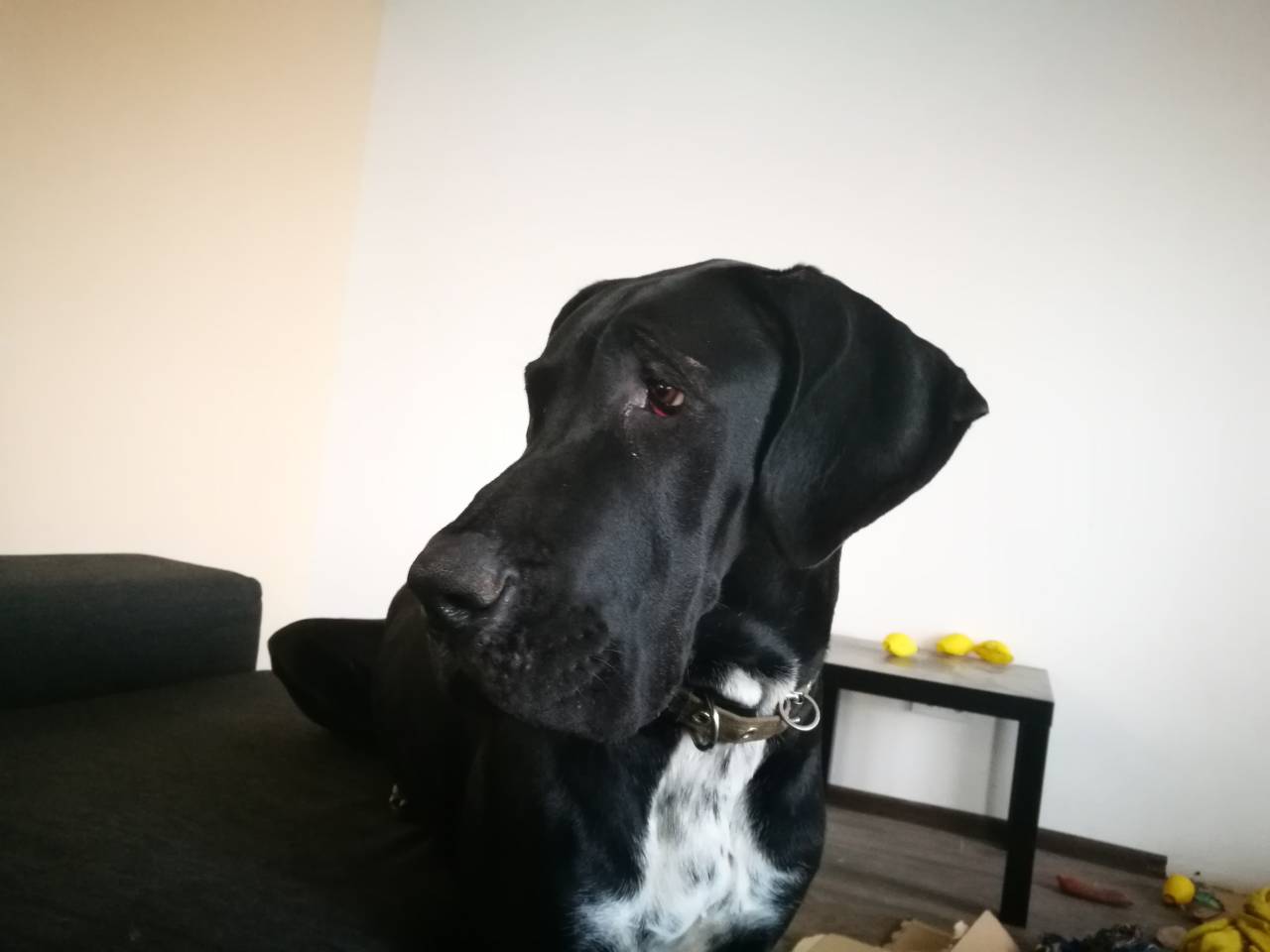
Overview
The Great Dane is the Apollo of dogs — majestic, gentle, and enormous. Known as gentle giants, Great Danes form deep bonds with their families despite their imposing size. Tragically, giant breeds like Great Danes have significantly shorter lifespans than smaller dogs, averaging just 8-10 years.
Factors That Affect Great Dane Lifespan
Several key factors influence how long a Great Dane lives:
- Giant size — the largest dogs have the shortest natural lifespans
- Growth rate management during puppyhood
- Bloat prevention — the leading cause of death in Great Danes
- Heart health — dilated cardiomyopathy is common
- Joint protection during rapid growth phases
- Quality nutrition formulated for giant breed needs
Common Health Issues in Great Danes
Understanding breed-specific health conditions helps owners recognize problems early:
| Health Issue | Description |
|---|---|
| Bloat (GDV) | The #1 killer of Great Danes. Their deep narrow chests make them the breed at highest risk for stomach twisting. Prophylactic gastropexy surgery is strongly recommended. |
| Dilated Cardiomyopathy (DCM) | A heart muscle disease causing the heart to enlarge and weaken. Affects up to 35% of Great Danes. Causes fatigue, coughing, and eventual heart failure. |
| Hip Dysplasia | Nearly universal in giant breeds. Rapid growth of Great Dane puppies puts enormous stress on developing joints. Controlled growth and joint supplements help manage this. |
| Osteosarcoma (Bone Cancer) | Great Danes have an elevated risk of bone cancer compared to smaller breeds. Often appears as persistent lameness. Early detection is critical. |
| Wobbler Syndrome | A spinal condition affecting the neck vertebrae, causing a wobbl gait. Can cause pain, weakness, and paralysis. Treatment includes medication and surgery. |
| Hypothyroidism | An underactive thyroid causing weight gain, hair loss, and lethargy. Easily managed with daily medication once diagnosed through blood work. |
Great Dane Care by Life Stage
Your Great Dane's care needs change significantly throughout their life:
Puppy (0-1 year)
Critical period for controlled growth. Feed giant-breed puppy food with balanced calcium-phosphorus ratios. Avoid overfeeding — rapid growth damages joints. Avoid high-impact exercise on hard surfaces.
Young Adult (1-2 years)
Continue joint-conscious management until growth plates close (up to 18-24 months). Feed measured portions of adult giant-breed food. Establish moderate exercise routine. Schedule cardiac evaluation. Consider prophylactic gastropexy.
Adult (2-5 years)
Maintain ideal body weight — lean is healthier for joints. Provide daily moderate exercise. Feed 2-3 smaller meals to reduce bloat risk. Schedule annual vet visit with cardiac screening.
Senior (5-7 years)
Switch to senior giant-breed food with joint support. Schedule bi-annual vet visits including heart evaluation. Watch for signs of DCM: coughing, exercise intolerance. Provide orthopedic bedding.
Geriatric (7+ years)
Every day with a geriatric Great Dane is a gift. Provide comfortable supportive bedding. Use ramps for vehicles. Monitor for pain. Focus on comfort, dignity, and quality of life.
Expert Tips for Extending Your Great Dane's Lifespan
- Never exercise your Great Dane immediately before or after eating — wait at least 1 hour
- Discuss prophylactic gastropexy with your vet during spay/neuter surgery
- Feed 2-3 smaller meals daily instead of one large meal
- Start joint supplements (glucosamine, chondroitin, MSM) during puppyhood
- Schedule annual cardiac evaluations starting at age 2
- Invest in a high-quality orthopedic bed — your Dane's joints will thank you
- Monitor water intake — excessive drinking can signal heart or kidney issues
Life Stage Overview
Puppy: 0-1yr | Young Adult: 1-2yr | Adult: 2-5yr | Senior: 5-7yr | Geriatric: 7yr+