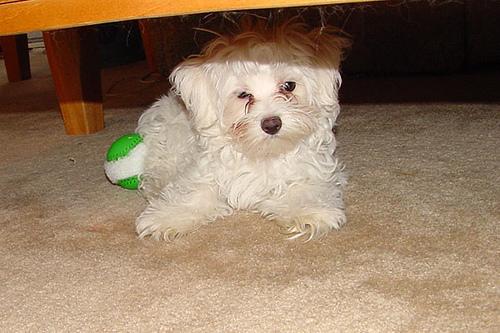
Overview
Havanese are Cuba's national dog and the only native breed from the island nation. These cheerful, silky-coated charmers were bred purely as companion dogs for Cuban aristocracy. Havanese are generally one of the healthiest and longest-living toy breeds, often reaching 14-16 years with proper care. Their main health concerns revolve around joint conditions, eye health, and the routine dental challenges common to all small breeds.
Factors That Affect Havanese Lifespan
Several key factors influence how long a Havanese lives:
- Patellar luxation screening and joint care
- Eye health — cataracts and retinal issues
- Dental care for small-mouth health
- Legg-Calve-Perthes disease awareness
- Hip joint health despite their small size
- Consistent grooming for their long, silky coat
Common Health Issues in Havaneses
Understanding breed-specific health conditions helps owners recognize problems early:
| Health Issue | Description |
|---|---|
| Patellar Luxation | The most common orthopedic issue in Havanese. The kneecap slips out of place causing intermittent lameness or skipping gait. Grade 1-2 may not need treatment; grade 3-4 requires surgical correction. |
| Cataracts | Havanese can develop hereditary cataracts ranging from juvenile-onset to age-related. Annual eye exams by a veterinary ophthalmologist help catch cataracts early for possible surgical correction. |
| Legg-Calve-Perthes Disease | A condition where the femoral head degenerates due to reduced blood supply. Causes hip pain and lameness in young dogs (4-12 months). Requires surgical correction (femoral head ostectomy). |
| Hip Dysplasia | Present in Havanese at approximately 8-9% according to OFA statistics. While lower than large breeds, still a concern. Weight management and moderate exercise reduce symptoms. |
| Dental Disease | Like all toy breeds, Havanese have small mouths with crowded teeth, leading to periodontal disease. Daily brushing and annual professional cleanings are essential for long-term health. |
| Heart Murmurs | Some Havanese develop benign heart murmurs that do not progress to heart disease. However, any murmur should be monitored through regular cardiac auscultation. |
Havanese Care by Life Stage
Your Havanese's care needs change significantly throughout their life:
Puppy (0-1 year)
Feed measured portions of small-breed puppy food. Begin daily tooth brushing. Start grooming desensitization for their silky coat. Begin socialization and basic obedience. Handle paws and mouth regularly for future care.
Young Adult (1-2 years)
Transition to adult food with strict portion control. Continue daily dental care. Professional grooming every 6-8 weeks. Provide moderate exercise: daily walks and indoor play. Schedule first eye exam.
Adult (2-10 years)
Maintain dental care routine — this is the #1 health priority. Schedule annual eye exams. Watch for patellar luxation: skipping gait, holding up a hind leg. Maintain lean body weight. Brush coat 2-3 times weekly.
Senior (10-13 years)
Switch to senior food. Increase vet visits to bi-annual including eye and heart checks. Watch for mobility changes and vision loss. Provide pet stairs for furniture. Maintain gentle exercise.
Geriatric (13+ years)
Provide soft orthopedic bedding. Continue gentle walks. Keep home environment calm and accessible. Monitor for cognitive decline. Focus on comfort, routine, and spending quality time together.
Expert Tips for Extending Your Havanese's Lifespan
- Brush teeth daily — dental health is the most important factor for long life
- Schedule annual professional dental cleanings
- Use a harness for walks to protect their delicate trachea
- Brush their silky coat 2-3 times weekly to prevent painful matting
- Keep your Havanese lean — you should feel but not see their ribs
- Schedule annual eye exams starting at age 2
- Watch puppies for signs of Legg-Calve-Perthes: limping, pain, reluctance to play
Life Stage Overview
Puppy: 0-1yr | Young Adult: 1-2yr | Adult: 2-10yr | Senior: 10-13yr | Geriatric: 13yr+