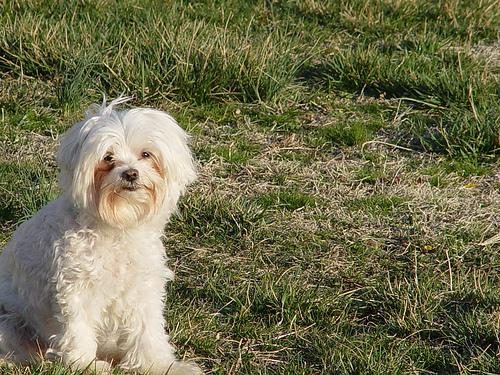
Overview
Maltese dogs are one of the oldest toy breeds, with a history tracing back over 2,000 years to the Mediterranean island of Malta. Known for their long, silky white coats and sweet, playful personalities, Maltese are devoted companion dogs that form deep bonds with their owners. As a small breed, Maltese enjoy relatively long lifespans but have specific health vulnerabilities related to their tiny size.
Factors That Affect Maltese Lifespan
Several key factors influence how long a Maltese lives:
- Dental care — tiny mouths lead to severe periodontal disease
- Trauma prevention — their small size makes them fragile
- Tracheal health — always use a harness, never a collar
- Nutrition in tiny, measured portions
- Eye care — tear staining is common in white-coated dogs
- Regular grooming for their continuously growing coat
Common Health Issues in Malteses
Understanding breed-specific health conditions helps owners recognize problems early:
| Health Issue | Description |
|---|---|
| Dental Disease | The #1 health issue for Maltese. Their tiny mouths with crowded teeth make them extremely prone to periodontal disease. Daily brushing and annual professional dental cleanings are essential. Untreated dental disease can damage heart, liver, and kidneys. |
| Patellar Luxation | A condition where the kneecap slips out of its normal position, causing intermittent lameness or a skipping gait. Extremely common in toy breeds. Severe cases benefit from surgical correction. |
| Tracheal Collapse | The cartilage rings of the trachea weaken over time, causing a characteristic honking cough and breathing difficulties. Use a harness — never a collar — to protect the trachea. |
| White Shaker Syndrome | A neurological condition causing full-body tremors in small white dogs, particularly Maltese. Typically appears in young dogs aged 6 months to 3 years. Usually responds well to corticosteroid treatment. |
| Eye Problems | Maltese are prone to tear staining, dry eye, and progressive retinal atrophy. Their white facial hair can irritate the eyes. Regular eye care and keeping facial hair trimmed helps. |
| Portosystemic Shunt (Liver Shunt) | A congenital condition where blood bypasses the liver. Symptoms include poor growth, neurological signs, and gastrointestinal issues. Treatable with surgery or medical management. |
Maltese Care by Life Stage
Your Maltese's care needs change significantly throughout their life:
Puppy (0-1 year)
Feed small, frequent meals (3-4 daily) to prevent hypoglycemia. Begin daily tooth brushing routine. Start grooming desensitization — Maltese need lifetime grooming. Handle paws, ears, and mouth regularly. Socialize gently with people and pets.
Young Adult (1-2 years)
Transition to adult toy-breed food. Maintain daily dental care. Establish professional grooming every 4-6 weeks. Provide moderate exercise: short walks and indoor play. Always use a harness. Continue training with positive reinforcement.
Adult (2-10 years)
Continue strict dental care — this is the most important health measure. Maintain healthy weight — even 0.5 lbs matters. Use pet stairs for furniture. Schedule annual vet visits. Clean facial hair to prevent tear staining and eye irritation.
Senior (10-12 years)
Switch to senior small-breed food. Increase vet visits to bi-annual. Monitor for dental issues and vision changes. Watch for tracheal collapse coughing. Provide warm sweaters in cold weather.
Geriatric (12+ years)
Provide soft orthopedic beds. Keep home warm. Gentle handling is important as bones become more fragile. Monitor for cognitive decline. Focus on comfort and quality of life.
Expert Tips for Extending Your Maltese's Lifespan
- Brush teeth daily — this is the single most important health measure for Maltese
- Schedule professional dental cleanings at least once per year
- Always use a harness — a collar can permanently damage their trachea
- Keep your Maltese at a healthy weight — even 0.5 lbs overweight is significant
- Supervise around larger dogs and small children to prevent accidental injury
- Clean tear stains daily with a damp cloth and keep facial hair trimmed
- Be patient with house training — tiny bladders need frequent potty breaks
Life Stage Overview
Puppy: 0-1yr | Young Adult: 1-2yr | Adult: 2-10yr | Senior: 10-12yr | Geriatric: 12yr+