Overview
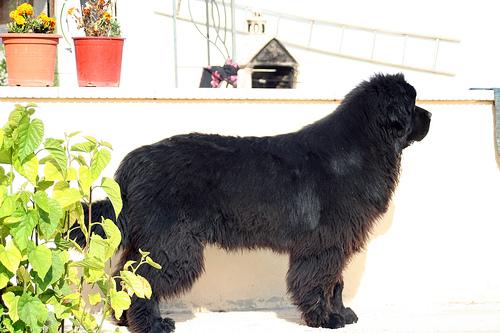
Newfoundlands are massive, sweet-natured dogs known as nature's lifeguards for their incredible swimming ability and water rescue instincts. Originally from the Canadian island of Newfoundland, these gentle giants are famously patient and protective with children, earning the nickname nanny dogs. Like most giant breeds, Newfoundlands have a shorter lifespan of 8-10 years, with heart disease and joint problems being their primary health challenges.
Factors That Affect Newfoundland Lifespan
Several key factors influence how long a Newfoundland lives:
- Heart health — subvalvular aortic stenosis is a breed concern
- Hip and elbow dysplasia prevention
- Bloat prevention in this deep-chested giant breed
- Weight management — obesity devastates their joints
- Heat sensitivity — their thick double coat causes rapid overheating
- Water safety — they love swimming but tire easily in rough water
Common Health Issues in Newfoundlands
Understanding breed-specific health conditions helps owners recognize problems early:
| Health Issue | Description |
|---|---|
| Subvalvular Aortic Stenosis (SAS) | A congenital heart defect where the aortic valve is abnormally narrow, forcing the heart to work harder. Can cause fainting, exercise intolerance, and sudden death. Cardiac screening with echocardiogram is essential. |
| Hip Dysplasia | Affects approximately 25% of Newfoundlands — one of the highest rates among all breeds. OFA certification of breeding dogs is strongly recommended. Weight management and joint supplements are critical. |
| Elbow Dysplasia | Common in giant breeds, causing forelimb lameness and arthritis. OFA screening shows about 17% of Newfoundlands have elbow dysplasia. Surgical intervention may be required. |
| Bloat (GDV) | A life-threatening emergency in giant deep-chested breeds. Feed 2-3 smaller meals daily. Never exercise around mealtimes. Prophylactic gastropexy is strongly recommended. |
| Cystinuria | A genetic condition causing bladder stones formed from the amino acid cystine. Can cause urinary blockages, especially dangerous in males. Managed with diet, medication, and sometimes surgery. |
| Dilated Cardiomyopathy (DCM) | A heart muscle disease causing the heart to enlarge and weaken. Newfoundlands have a breed predisposition. Annual cardiac screening helps catch this condition early. |
Newfoundland Care by Life Stage
Your Newfoundland's care needs change significantly throughout their life:
Puppy (0-1 year)
Feed giant-breed puppy food for slow, controlled growth — rapid growth damages developing joints. Begin gentle socialization. Start basic obedience early — Newfies grow huge fast. Introduce water gradually with a life vest.
Young Adult (1-2 years)
Transition to adult giant-breed food. Schedule OFA hip/elbow evaluations and cardiac screening. Provide daily moderate exercise — swimming is ideal. Continue training reinforcement. Consider prophylactic gastropexy.
Adult (2-5 years)
Feed 2-3 meals daily to reduce bloat risk. Maintain ideal body weight. Provide daily exercise in cool temperatures. Schedule annual vet visits with cardiac auscultation. Never exercise in heat.
Senior (5-7 years)
Switch to senior giant-breed food with joint support. Increase vet visits to bi-annual with cardiac screening. Provide orthopedic and cooling beds. Watch for decreased mobility. Manage arthritis with vet guidance.
Geriatric (7+ years)
Keep in climate-controlled comfort. Provide ramps and supportive bedding. Monitor breathing and heart health closely. Focus on comfort, dignity, and gentle love. Every day with a geriatric Newfie is precious.
Expert Tips for Extending Your Newfoundland's Lifespan
- Schedule cardiac screening (echocardiogram) starting at age 1
- Feed 2-3 smaller meals daily and never exercise around mealtimes
- Swimming is the perfect low-impact exercise for Newfoundlands
- Keep your Newfie in air conditioning during summer — they overheat dangerously fast
- Start joint supplements in puppyhood as preventive care
- Brush their thick double coat 2-3 times weekly to prevent mats
- Choose a breeder who performs OFA hips/elbows and full cardiac screening
Life Stage Overview
Puppy: 0-1yr | Young Adult: 1-2yr | Adult: 2-5yr | Senior: 5-7yr | Geriatric: 7yr+