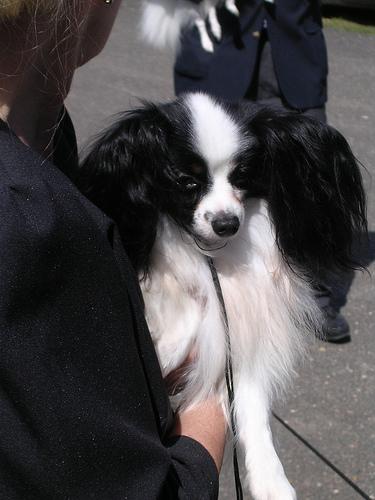
Overview
Papillons, named for their distinctive butterfly-shaped ears, are one of the oldest and most intelligent toy breeds. Despite their delicate appearance, Papillons are athletic, eager to please, and excel in agility and obedience. They consistently rank among the smartest small breeds and are one of the longest-living dogs, with many Papillons reaching 15-16 years. Their main health concerns are typical of toy breeds, with patellar luxation being the most common issue.
Factors That Affect Papillon Lifespan
Several key factors influence how long a Papillon lives:
- Dental care — tiny mouths lead to severe periodontal disease
- Patellar luxation screening and management
- Tracheal health — always use a harness, never a collar
- Eye health — PRA and cataracts
- Fragility prevention — their tiny size makes them injury-prone
- Regular exercise to maintain health without overexertion
Common Health Issues in Papillons
Understanding breed-specific health conditions helps owners recognize problems early:
| Health Issue | Description |
|---|---|
| Patellar Luxation | The most common orthopedic issue in Papillons. The kneecap slips out of place causing intermittent lameness. Mild cases may not need treatment; severe cases benefit from surgical correction. |
| Dental Disease | Papillons have extremely tiny mouths with crowded teeth, making them highly prone to periodontal disease. Daily brushing and professional cleanings are essential for their long-term health. |
| Progressive Retinal Atrophy (PRA) | An inherited eye disease causing gradual vision loss. DNA testing identifies carriers for breeding decisions. Annual eye exams help monitor affected dogs. |
| Tracheal Collapse | The cartilage rings of the trachea can weaken, causing a honking cough. Using a harness (never a collar) is the most important preventive measure. Weight management also helps. |
| Cataracts | Can develop with age or be hereditary. Annual eye exams help catch cataracts early. Surgical removal can restore vision in affected dogs. |
| Hypoglycemia | Low blood sugar can affect tiny Papillons, especially puppies. Symptoms include weakness, tremors, and disorientation. Prevented by frequent small meals. |
Papillon Care by Life Stage
Your Papillon's care needs change significantly throughout their life:
Puppy (0-1 year)
Feed 3-4 small meals daily to prevent hypoglycemia. Begin daily tooth brushing immediately. Start gentle socialization and basic training — Papillons are brilliant students. Always use a harness. Supervise around children and larger dogs.
Young Adult (1-2 years)
Transition to adult toy-breed food. Maintain daily dental care. Provide moderate exercise: daily walks and indoor play. Papillons love agility and trick training. Schedule first eye exam. Always use a harness.
Adult (2-10 years)
Continue daily dental care — this is the #1 health priority. Schedule annual eye exams. Maintain healthy weight. Provide daily exercise and mental stimulation through training and puzzle toys.
Senior (10-13 years)
Switch to senior food. Increase vet visits to bi-annual including dental and eye checks. Watch for vision changes and tracheal cough. Use pet stairs for furniture. Provide warm sweaters in cold weather.
Geriatric (13+ years)
Provide soft orthopedic beds. Continue gentle walks. Monitor for cognitive decline. Keep home warm. Adapt dental care for aging. Focus on comfort and mental engagement.
Expert Tips for Extending Your Papillon's Lifespan
- Brush teeth daily — dental disease is the #1 health threat to Papillons
- Schedule annual professional dental cleanings
- ALWAYS use a harness — a collar can permanently damage their trachea
- Teach fun tricks and agility — Papillons thrive on mental stimulation
- Keep your Papillon warm — their small size loses body heat quickly
- Supervise around larger dogs and small children to prevent injuries
- Schedule annual eye exams starting at age 2
Life Stage Overview
Puppy: 0-1yr | Young Adult: 1-2yr | Adult: 2-10yr | Senior: 10-13yr | Geriatric: 13yr+