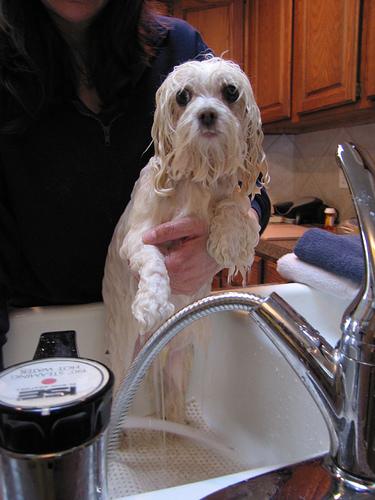
Overview
Pomeranians are tiny balls of fluff with bold, confident personalities that belie their small size. Descended from large Arctic sled dogs and miniaturized over centuries, Poms retain the spunky attitude of their working ancestors. They are one of the longest-living toy breeds, with many Pomeranians reaching 14-16 years. Their tiny size creates specific health vulnerabilities — fragility, tracheal collapse, and severe dental disease — that require attentive care.
Factors That Affect Pomeranian Lifespan
Several key factors influence how long a Pomeranian lives:
- Tracheal health — always use a harness, never a collar
- Dental care — tiny mouths with severe overcrowding
- Trauma prevention — their small size makes them fragile
- Patellar luxation screening and management
- Alopecia X (Black Skin Disease) monitoring
- Hypoglycemia prevention in puppies and small adults
Common Health Issues in Pomeranians
Understanding breed-specific health conditions helps owners recognize problems early:
| Health Issue | Description |
|---|---|
| Tracheal Collapse | The cartilage rings of the trachea weaken over time causing a signature honking cough and breathing difficulties. Using a harness instead of a collar is the most important preventive measure. |
| Dental Disease | Pomeranians have extremely crowded teeth in tiny jaws with high rates of retained baby teeth. Daily brushing and professional cleanings are essential. Untreated dental disease can shorten lifespan. |
| Patellar Luxation | Slipping kneecap causing intermittent lameness or skipping gait. Very common in toy breeds. Severe cases require surgical correction to prevent arthritis. |
| Alopecia X (Black Skin Disease) | A cosmetic condition causing symmetrical hair loss and darkened skin. Not painful or itchy but permanent. More common in males and in certain coat types. No cure; cosmetic management only. |
| Collapsing Trachea | Weakening of tracheal cartilage leading to chronic cough, exercise intolerance, and breathing difficulty. Worsened by obesity and collar use. Managed with weight control, harness use, and medications. |
| Hypoglycemia | Low blood sugar can be dangerous in tiny Pomeranians, especially puppies and dogs under 3 lbs. Symptoms include weakness, tremors, and seizures. Prevented by frequent small meals. |
Pomeranian Care by Life Stage
Your Pomeranian's care needs change significantly throughout their life:
Puppy (0-1 year)
Feed 3-4 small meals daily to prevent hypoglycemia. Begin daily tooth brushing and grooming desensitization. Always use a harness. Supervise around children and larger dogs. Handle paws and mouth for future care.
Young Adult (1-2 years)
Transition to adult toy-breed food. Maintain daily dental care. Schedule professional grooming every 4-6 weeks. Provide gentle indoor play and short walks. Guard against falls from furniture — use pet stairs.
Adult (2-10 years)
Continue daily tooth brushing — this is the most impactful health habit. Maintain healthy weight. Watch for tracheal collapse signs: honking cough, exercise intolerance. Schedule annual vet visits.
Senior (10-13 years)
Switch to senior food. Increase vet visits to bi-annual. Watch for dental disease progression, vision, and hearing loss. Monitor for alopecia X. Provide warm sweaters in cold weather.
Geriatric (13+ years)
Provide soft orthopedic beds. Keep home warm. Gentle handling — bones become more fragile. Continue dental care adapted for aging. Monitor for cognitive decline. Focus on comfort and gentle affection.
Expert Tips for Extending Your Pomeranian's Lifespan
- ALWAYS use a harness — a collar can permanently damage your Pom's trachea
- Brush teeth daily — Pomeranians have among the highest dental disease rates
- Schedule professional dental cleanings at least once per year
- Keep your Pom warm — their small size means they lose body heat quickly
- Feed multiple small meals to prevent hypoglycemia, especially in smaller Poms
- Never let your Pom jump from furniture — use pet stairs or ramps
- Supervise around larger dogs and small children — Poms are easily injured
Life Stage Overview
Puppy: 0-1yr | Young Adult: 1-2yr | Adult: 2-10yr | Senior: 10-13yr | Geriatric: 13yr+