Overview
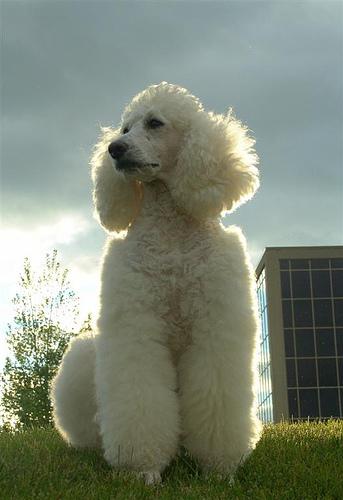
Poodles come in three size varieties — Toy, Miniature, and Standard — and each has distinct lifespan and health characteristics. Despite their elegant appearance, Poodles are athletic, intelligent, and versatile dogs originally bred as water retrievers. The lifespan differences between Poodle sizes offer a fascinating case study in how size affects canine aging even within a single breed.
Factors That Affect Poodle Lifespan
Several key factors influence how long a Poodle lives:
- Size variety — Toy and Miniature Poodles live longer than Standards
- Genetic diversity across bloodlines
- Regular professional grooming and skin health
- Eye health monitoring for progressive retinal atrophy
- Addison's disease screening, especially in Standards
- Exercise and mental stimulation to prevent anxiety
Common Health Issues in Poodles
Understanding breed-specific health conditions helps owners recognize problems early:
| Health Issue | Description |
|---|---|
| Addison's Disease | A hormonal disorder where the adrenal glands don't produce enough cortisol. More common in Standard Poodles. Symptoms include lethargy, vomiting, and collapse. Manageable with lifelong medication. |
| Bloat (GDV) | A life-threatening emergency where the stomach twists. Primarily affects Standard Poodles due to their deep chest. Feed multiple small meals and avoid exercise after eating. |
| Progressive Retinal Atrophy (PRA) | An inherited eye disease causing gradual vision loss. Affects all Poodle sizes. DNA testing is available to identify carriers and affected dogs. |
| Hip Dysplasia | More common in Standard Poodles. This genetic joint condition causes arthritis and pain. Weight management and joint supplements help manage symptoms. |
| Sebaceous Adenitis | An inflammatory skin disease affecting the sebaceous glands, causing hair loss and scaly skin. More common in Standard Poodles. |
| Patellar Luxation | Kneecap dislocation, most common in Toy and Miniature Poodles. Can range from occasional to persistent lameness. Severe cases require surgery. |
Poodle Care by Life Stage
Your Poodle's care needs change significantly throughout their life:
Puppy (0-1 year)
Feed size-appropriate puppy food. Standards: large-breed puppy food for controlled growth. Begin grooming desensitization early — Poodles need frequent professional grooming. Start basic obedience and socialization immediately.
Young Adult (1-2 years)
Transition to adult food appropriate for size. Establish a grooming schedule every 4-6 weeks. Provide daily exercise and mental challenges — Poodles are among the smartest breeds and need brain stimulation.
Adult (varies by size)
Standard Poodles: Adult until 7 years. Toy/Mini: Adult until 10 years. Maintain exercise routine and mental enrichment. Consider dog sports (agility, obedience, dock diving). Schedule annual vet visits.
Senior (varies by size)
Standard Poodles: Senior at 7. Toy/Mini: Senior at 10. Switch to senior food. Schedule bi-annual vet visits. Watch for vision changes and cognitive decline. Reduce high-impact exercise.
Geriatric (varies by size)
Provide comfortable bedding and easy home access. Monitor for Addisonian crisis signs in Standards. Keep grooming routine but shorter sessions. Focus on comfort, pain management, and quality of life.
Expert Tips for Extending Your Poodle's Lifespan
- Choose a Poodle size that fits your lifestyle — their care needs and lifespans differ significantly
- Budget for professional grooming every 4-6 weeks throughout your Poodle's life
- Provide daily mental stimulation — training, puzzle toys, and enrichment activities
- Brush teeth regularly — Toy Poodles are especially prone to dental disease
- Consider pet insurance for Standard Poodles, who may face higher medical costs
- Test for Addison's disease if your Standard Poodle shows unexplained vomiting or lethargy
- Learn to recognize bloat symptoms — a life-threatening emergency requiring immediate vet care
Life Stage Overview
Varies significantly by size. Toy/Mini: longer adult stage. Standard: earlier senior transition.