Overview
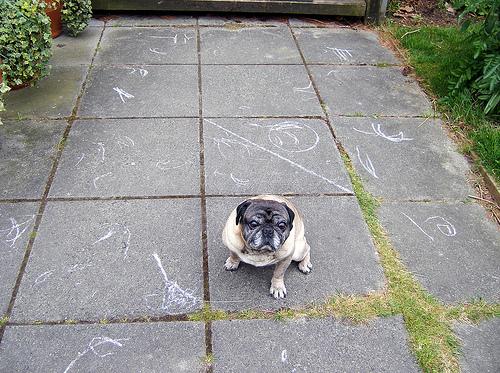
Pugs are charming, comical little dogs with a "multum in parvo" (much in little) philosophy, packing enormous personality into a compact frame. Their wrinkled faces, curly tails, and expressive eyes have made them beloved companions for centuries, dating back to ancient China. While Pugs can live surprisingly long lives for a brachycephalic breed, their flat faces create significant breathing challenges, and they have a breed-specific neurological condition — Pug Dog Encephalitis — that every owner must know about.
Factors That Affect Pug Lifespan
Several key factors influence how long a Pug lives:
- Brachycephalic airway management and temperature regulation
- Weight control — Pugs become obese easily and dangerously
- Eye protection — their prominent eyes are extremely vulnerable
- Skin fold hygiene to prevent dermatitis
- Awareness of PDE (Pug Dog Encephalitis) warning signs
- Responsible breeding for healthier facial conformation
Common Health Issues in Pugs
Understanding breed-specific health conditions helps owners recognize problems early:
| Health Issue | Description |
|---|---|
| Brachycephalic Obstructive Airway Syndrome (BOAS) | Severe breathing difficulties caused by flat face conformation. Pugs with extremely flat faces struggle to breathe even at rest. Corrective airway surgery can greatly improve quality of life. Never exercise in warm weather. |
| Eye Problems | Pugs have extremely prominent eyes vulnerable to corneal ulcers, proptosis (eye popping out), dry eye, and pigmentary keratitis. Any eye issue is an emergency. Avoid rough play near the face. |
| Pug Dog Encephalitis (PDE) | A fatal inflammatory brain disease unique to Pugs. Causes seizures, circling, blindness, and behavioral changes. Typically affects young adult Pugs aged 2-3 years. No cure exists; treatment is palliative. |
| Obesity | Pugs are one of the breeds most prone to obesity. Their love of food combined with breathing-limited exercise creates a dangerous cycle. Excess weight dramatically worsens breathing and joint problems. |
| Skin Fold Infections | Deep facial wrinkles trap moisture creating bacterial and yeast infections. The nose roll requires daily cleaning and drying. Untreated infections cause chronic pain and odor. |
| Hip Dysplasia | Affects approximately 60% of Pugs based on OFA data — one of the highest rates among small breeds. Joint supplements and weight management help manage symptoms. |
Pug Care by Life Stage
Your Pug's care needs change significantly throughout their life:
Puppy (0-1 year)
Begin daily wrinkle cleaning routine immediately. Feed measured puppy food — never free-feed. Start gentle socialization. Begin basic obedience with positive, food-motivated methods. Protect developing eyes during playtime.
Young Adult (1-2 years)
Transition to adult food with strict portion control. Establish daily wrinkle cleaning. Provide short walks in cool temperatures only. Always use a harness. Schedule first ophthalmologist eye exam. Be aware of PDE signs.
Adult (2-9 years)
Daily wrinkle cleaning is non-negotiable. Maintain strict weight control — Pugs should have a visible waist. Schedule annual eye exams. Keep in climate-controlled environment during warm months. Gentle exercise only.
Senior (9-12 years)
Switch to senior food. Increase vet visits to bi-annual. Watch for breathing changes and vision loss. Use ramps and pet stairs for furniture. Provide cooling bed in summer, warm bed in winter.
Geriatric (12+ years)
Keep in climate-controlled comfort always. Provide soft supportive bedding. Assist with mobility. Monitor for cognitive decline and breathing quality. Focus on comfort, love, and maintaining dignity.
Expert Tips for Extending Your Pug's Lifespan
- Never exercise your Pug in temperatures above 70°F (21°C) — heat stroke is a real risk
- Clean facial wrinkles daily and dry them completely
- Maintain strict weight control — a lean Pug is a healthier Pug
- Use a harness instead of collar to protect their delicate trachea
- Schedule annual eye exams — Pug eyes are ticking time bombs without monitoring
- Learn PDE warning signs: seizures, circling, pressing head against walls
- Choose a breeder who selects for more open nostrils and less extreme facial features
Life Stage Overview
Puppy: 0-1yr | Young Adult: 1-2yr | Adult: 2-9yr | Senior: 9-12yr | Geriatric: 12yr+