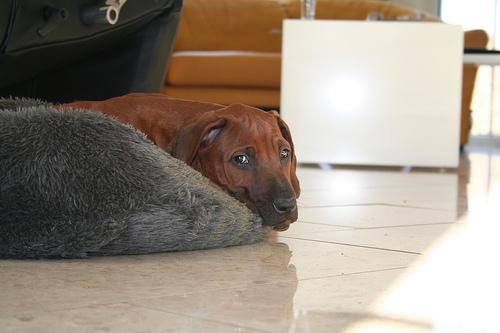
Overview
Rhodesian Ridgebacks are majestic, athletic dogs distinguished by the characteristic ridge of backward-growing hair along their spines. Originally bred in Southern Africa to hunt lions (hence their nickname African Lion Hound), Ridgebacks are courageous, independent, and deeply loyal. They are generally one of the healthier large breeds with relatively few genetic disorders, but owners should be aware of dermoid sinus — a breed-specific congenital condition.
Factors That Affect Rhodesian Ridgeback Lifespan
Several key factors influence how long a Rhodesian Ridgeback lives:
- Dermoid sinus screening in puppies
- Hip and elbow dysplasia prevention
- Bloat awareness in this deep-chested breed
- Thyroid function monitoring
- Appropriate exercise — they need room to run
- Responsible breeding with health certifications
Common Health Issues in Rhodesian Ridgebacks
Understanding breed-specific health conditions helps owners recognize problems early:
| Health Issue | Description |
|---|---|
| Dermoid Sinus | A breed-specific congenital condition where a tube-like skin defect connects to the spinal canal, risking infection and neurological damage. All Ridgeback puppies should be examined for this at birth. Surgical removal is curative. |
| Hip Dysplasia | Affects approximately 7-8% of Rhodesian Ridgebacks. Lower than many large breeds but still a concern. OFA screening for breeding dogs is recommended. |
| Bloat (GDV) | Like other deep-chested breeds, Ridgebacks are at risk for this life-threatening emergency. Feed 2-3 smaller meals daily and avoid exercise around mealtimes. |
| Hypothyroidism | An underactive thyroid causing weight gain, hair loss, and lethargy. Ridgebacks have a breed predisposition. Annual blood work including thyroid panel helps catch this early. |
| Elbow Dysplasia | A developmental condition affecting elbow joints. Less common than hip dysplasia but can cause significant lameness. OFA screening helps identify affected dogs. |
| Cataracts | Can develop with age in Ridgebacks. Annual eye exams help catch cataracts early. Surgical removal can restore vision. |
Rhodesian Ridgeback Care by Life Stage
Your Rhodesian Ridgeback's care needs change significantly throughout their life:
Puppy (0-1 year)
Ensure puppy is examined for dermoid sinus. Feed large-breed puppy food for controlled growth. Begin early socialization — Ridgebacks are independent and need positive exposure. Start obedience training with firm but gentle methods. Provide safe off-leash running.
Young Adult (1-2 years)
Transition to adult food. Provide at least 60 minutes of exercise daily — Ridgebacks need to run. Continue training reinforcement. Schedule hip evaluation. Secure yard with high fences — they have a strong prey drive.
Adult (2-7 years)
Maintain vigorous exercise routine. Feed 2-3 meals daily to reduce bloat risk. Schedule annual vet visits with blood work. Brush coat weekly — their short coat is low maintenance. Provide mental stimulation through training.
Senior (7-10 years)
Switch to senior food with joint support. Reduce exercise intensity but maintain daily walks. Increase vet visits to bi-annual including thyroid panel. Watch for arthritis and vision changes.
Geriatric (10+ years)
Provide soft orthopedic bedding. Continue gentle walks. Monitor for cognitive decline. Keep home accessible. Focus on comfort, affection, and maintaining their dignity.
Expert Tips for Extending Your Rhodesian Ridgeback's Lifespan
- Ensure your puppy is checked for dermoid sinus at birth by the breeder or vet
- Provide off-leash running opportunities — Ridgebacks are born sprinters
- Feed 2-3 smaller meals daily to reduce bloat risk
- Secure your yard with 6-foot fences — Ridgebacks have a strong hunting instinct
- Schedule annual blood work including thyroid panel
- Always use a leash on walks — their prey drive makes recall unreliable
- Start training early and be consistent — Ridgebacks are independent thinkers
Life Stage Overview
Puppy: 0-1yr | Young Adult: 1-2yr | Adult: 2-7yr | Senior: 7-10yr | Geriatric: 10yr+