Overview
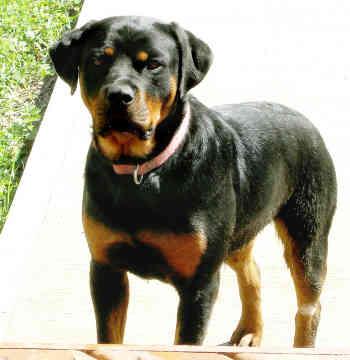
Rottweilers are powerful, confident, and deeply loyal working dogs with a history dating back to ancient Rome. Known for their strength and protective instincts, Rottweilers are devoted family guardians when properly trained and socialized. As a large breed, Rottweilers face specific health challenges that typically limit their lifespan to 8-10 years.
Factors That Affect Rottweiler Lifespan
Several key factors influence how long a Rottweiler lives:
- Genetic screening for hip and elbow dysplasia
- Cancer risk — osteosarcoma is especially common in Rottweilers
- Weight management — obesity severely impacts joint health
- Heart health monitoring for aortic stenosis and DCM
- Responsible breeding with proper health certifications
- Exercise appropriate for age to maintain muscle and joint health
Common Health Issues in Rottweilers
Understanding breed-specific health conditions helps owners recognize problems early:
| Health Issue | Description |
|---|---|
| Hip Dysplasia | Affects approximately 20% of Rottweilers. This genetic condition causes hip joint malformation leading to arthritis and mobility problems. Weight control and joint supplements are essential. |
| Osteosarcoma (Bone Cancer) | Rottweilers have one of the highest rates of bone cancer among all breeds. Often appears as persistent lameness or swelling in a limb. Early detection and amputation can extend life. |
| Bloat (GDV) | Large deep-chested breeds like Rottweilers are at high risk for this life-threatening emergency. Feed multiple small meals and avoid exercise around mealtimes. |
| Aortic Stenosis | A congenital heart defect causing a narrowing of the aortic valve. Can cause fainting, exercise intolerance, and sudden death. Cardiac screening is essential for breeding dogs. |
| Elbow Dysplasia | An inherited condition affecting elbow joint development. Causes front-leg lameness and arthritis. Weight management and surgery are treatment options. |
| Hypothyroidism | An underactive thyroid gland causing weight gain, hair loss, and lethargy. More common in Rottweilers than many breeds. Easily managed with daily medication. |
Rottweiler Care by Life Stage
Your Rottweiler's care needs change significantly throughout their life:
Puppy (0-1 year)
Feed large-breed puppy food for controlled growth. Begin early socialization — Rottweilers need extensive positive exposure to people, pets, and situations. Start obedience training with firm but gentle methods. Avoid strenuous exercise on developing joints.
Young Adult (1-2 years)
Continue socialization and training reinforcement. Establish moderate exercise routine — 45-60 minutes daily. Transition to adult large-breed food. Schedule cardiac evaluation. Rottweilers mature slowly mentally — be patient with adolescent behavior.
Adult (2-5 years)
Maintain ideal body weight through measured feeding and daily exercise. Schedule annual vet visits with hip evaluations. Monitor for lumps throughout body. Feed 2-3 meals daily to reduce bloat risk. Provide mental challenges through training and puzzle toys.
Senior (5-8 years)
Switch to senior food with joint support. Increase vet visits to bi-annual including cancer screening. Watch for bone cancer signs: persistent limping, swelling. Reduce high-impact exercise. Provide orthopedic bedding.
Geriatric (8+ years)
Provide comfortable supportive bedding. Monitor for pain and mobility changes. Use ramps for vehicles. Monitor closely for cancer recurrence. Focus on pain management and quality of life. Cherish every day with your loyal companion.
Expert Tips for Extending Your Rottweiler's Lifespan
- Choose a breeder who performs OFA hip/elbow certifications and cardiac testing
- Feed 2-3 smaller meals daily to reduce bloat risk
- Consider prophylactic gastropexy during spay/neuter surgery
- Start joint supplements early in adulthood as preventive care
- Perform monthly body checks for lumps — early cancer detection saves lives
- Maintain lean body weight — even 5 extra pounds strains their joints
- Socialize extensively throughout first 2 years for a well-adjusted adult dog
Life Stage Overview
Puppy: 0-1yr | Young Adult: 1-2yr | Adult: 2-5yr | Senior: 5-8yr | Geriatric: 8yr+