Overview
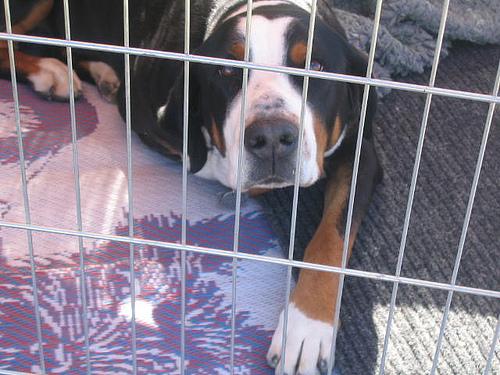
Saint Bernards are legendary giant dogs famous for rescuing travelers in the Swiss Alps. With their massive size, gentle temperaments, and soulful expressions, Saints are among the most beloved giant breeds. They are patient, loving family dogs that are especially gentle with children. Like all giant breeds, Saint Bernards have a relatively short lifespan of 8-10 years, facing the joint, heart, and cancer challenges typical of very large dogs.
Factors That Affect Saint Bernard Lifespan
Several key factors influence how long a Saint Bernard lives:
- Hip and elbow dysplasia — nearly universal in giant breeds
- Bloat prevention — their deep chests put them at extreme risk
- Heart health monitoring for dilated cardiomyopathy
- Bone cancer awareness — osteosarcoma risk is elevated
- Controlled growth in puppyhood to protect joints
- Heat sensitivity — their thick coats cause rapid overheating
Common Health Issues in Saint Bernards
Understanding breed-specific health conditions helps owners recognize problems early:
| Health Issue | Description |
|---|---|
| Hip Dysplasia | Affects approximately 49% of Saint Bernards — nearly half the breed. OFA screening for breeding dogs is essential. Weight management, controlled exercise, and joint supplements help manage this condition. |
| Bloat (GDV) | Saint Bernards have one of the highest bloat risks of any breed due to their very deep chests. This life-threatening emergency requires immediate veterinary attention. Prophylactic gastropexy is strongly recommended. |
| Dilated Cardiomyopathy (DCM) | A progressive heart muscle disease causing heart enlargement and weakness. Affects giant breeds disproportionately. Annual cardiac screening with echocardiogram is recommended. |
| Osteosarcoma (Bone Cancer) | Giant breeds like Saints have a significantly elevated risk of bone cancer. Appears as persistent lameness or bone swelling. Early detection is critical for treatment options. |
| Entropion and Ectropion | Their loose facial skin commonly causes eyelid abnormalities, leading to chronic eye irritation. Surgical correction provides relief and prevents corneal damage. |
| Elbow Dysplasia | A developmental condition affecting elbow joints. Causes forelimb lameness and arthritis. OFA screening shows elevated rates in the breed. |
Saint Bernard Care by Life Stage
Your Saint Bernard's care needs change significantly throughout their life:
Puppy (0-1 year)
Feed giant-breed puppy food for slow, controlled growth — this is the most critical period for joint development. Limit high-impact exercise on hard surfaces. Begin gentle socialization. Basic obedience must start early before they outgrow you.
Young Adult (1-2 years)
Transition to adult giant-breed food. Continue controlled exercise until growth plates close (18-24 months). Schedule OFA hip/elbow evaluations and cardiac screening. Consider prophylactic gastropexy.
Adult (2-5 years)
Maintain ideal body weight — lean is healthier for joints. Feed 2-3 meals daily to reduce bloat risk. Provide daily moderate exercise in cool temperatures. Schedule annual vet visits. Never exercise in heat.
Senior (5-7 years)
Switch to senior giant-breed food with joint support. Increase vet visits to bi-annual. Provide orthopedic cooling beds. Watch for cancer signs: limping, swelling, lethargy. Reduce exercise intensity.
Geriatric (7+ years)
Keep in climate-controlled comfort. Provide ramps and supportive bedding. Monitor breathing and mobility. Focus on pain management and quality of life. Every moment with your gentle giant is precious.
Expert Tips for Extending Your Saint Bernard's Lifespan
- Feed 2-3 smaller meals daily and never exercise around mealtimes — bloat is the #1 killer
- Discuss prophylactic gastropexy with your vet — it can be lifesaving
- Choose a breeder who performs complete OFA and cardiac screening
- Start joint supplements during puppyhood for lifelong joint protection
- Keep your Saint Bernard cool — air conditioning is essential in summer
- Train basic obedience early — a 180 lb untrained Saint is unmanageable
- Perform monthly body checks for lumps, especially on limbs
Life Stage Overview
Puppy: 0-1yr | Young Adult: 1-2yr | Adult: 2-5yr | Senior: 5-7yr | Geriatric: 7yr+