Overview
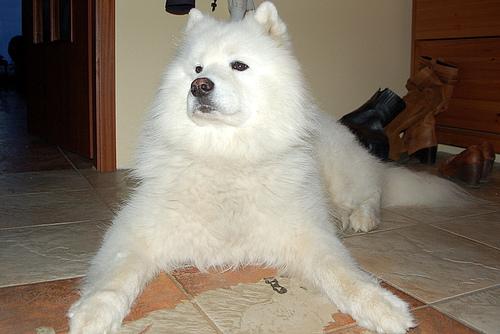
Samoyeds, with their stunning white coats and perpetual Sammie smile, are one of the most beautiful and cheerful breeds. Originally bred by the Samoyede people of Siberia to herd reindeer and pull sleds, Sammies are hardworking, gentle, and incredibly friendly dogs. They are generally a healthy breed with good longevity (12-14 years), but have several breed-specific health concerns including a notable predisposition to diabetes.
Factors That Affect Samoyed Lifespan
Several key factors influence how long a Samoyed lives:
- Diabetes awareness — Samoyeds have elevated risk
- Hip dysplasia screening and management
- Eye health — glaucoma and PRA
- Bloat prevention in their deep chests
- Heat sensitivity — their thick Arctic coat is a liability in summer
- Consistent grooming for their profuse double coat
Common Health Issues in Samoyeds
Understanding breed-specific health conditions helps owners recognize problems early:
| Health Issue | Description |
|---|---|
| Diabetes Mellitus | Samoyeds have a breed predisposition to diabetes. Symptoms include excessive thirst, urination, weight loss despite good appetite. Managed with insulin injections, diet, and monitoring. Early detection through regular blood work is key. |
| Hip Dysplasia | Affects approximately 10-11% of Samoyeds. OFA screening for breeding dogs is recommended. Weight management and appropriate exercise help manage symptoms. |
| Glaucoma | Samoyeds are one of the breeds with elevated glaucoma risk. This painful condition causes increased eye pressure and can lead to blindness. Annual eye pressure checks are recommended. |
| Progressive Retinal Atrophy (PRA) | An inherited eye disease causing gradual vision loss. DNA testing can identify carriers. Annual eye exams by an ophthalmologist are recommended. |
| Bloat (GDV) | Life-threatening stomach twisting emergency. Feed 2-3 smaller meals daily. Never exercise around mealtimes. |
| Hypothyroidism | An underactive thyroid causing weight gain, hair loss, and lethargy. Blood work confirms diagnosis. Managed with daily medication. |
Samoyed Care by Life Stage
Your Samoyed's care needs change significantly throughout their life:
Puppy (0-1 year)
Feed medium-breed puppy food for controlled growth. Begin early socialization — Sammies are naturally friendly. Start obedience with positive methods. Begin grooming desensitization for their thick coat. Never exercise in heat.
Young Adult (1-2 years)
Transition to adult food. Schedule first eye exam and hip evaluation. Provide 45-60 minutes of daily exercise in cool temperatures. Brush coat 3-4 times weekly. Consider pet insurance before conditions develop.
Adult (2-8 years)
Schedule annual blood work including glucose screening. Maintain exercise routine. Feed 2-3 meals daily to reduce bloat risk. Brush thick double coat 3-4 times weekly, daily during shedding. Never shave the coat.
Senior (8-11 years)
Switch to senior food. Increase vet visits to bi-annual with blood work including diabetes screening. Watch for diabetes signs. Reduce exercise intensity. Provide cooling beds in summer.
Geriatric (11+ years)
Keep in climate-controlled comfort. Continue gentle walks. Monitor for cognitive decline. Manage chronic conditions. Focus on comfort and the Sammie smile.
Expert Tips for Extending Your Samoyed's Lifespan
- Schedule annual blood work including glucose — early diabetes detection is critical
- Watch for diabetes signs: excessive thirst, frequent urination, unexpected weight loss
- Feed 2-3 smaller meals daily to reduce bloat risk
- Brush coat 3-4 times weekly — Samoyed fur requires serious commitment
- Never shave your Samoyed — their double coat regulates temperature
- Never exercise in hot weather — air conditioning is essential in summer
- Schedule annual eye exams including glaucoma pressure testing
Life Stage Overview
Puppy: 0-1yr | Young Adult: 1-2yr | Adult: 2-8yr | Senior: 8-11yr | Geriatric: 11yr+