Overview
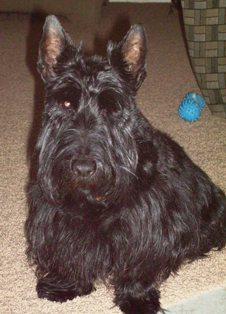
Scottish Terriers, with their distinctive silhouettes, sturdy bodies, and dignified bearded faces, are one of the most recognizable terrier breeds. Known for their independent, feisty personalities, Scotties are often described as big dogs in small packages. While generally robust, Scottish Terriers have several breed-specific health concerns that owners should monitor, with bladder cancer being a notably elevated risk in the breed.
Factors That Affect Scottish Terrier Lifespan
Several key factors influence how long a Scottish Terrier lives:
- Bladder cancer awareness — Scotties have 18x higher risk than other breeds
- Scottie Cramp monitoring — a breed-specific movement disorder
- von Willebrand disease screening
- Dental care — small mouths lead to periodontal disease
- Regular exercise to prevent obesity
- Responsible breeding with health certifications
Common Health Issues in Scottish Terriers
Understanding breed-specific health conditions helps owners recognize problems early:
| Health Issue | Description |
|---|---|
| Transitional Cell Carcinoma (Bladder Cancer) | Scottish Terriers have approximately 18-20 times higher risk of bladder cancer than other breeds. Early signs include blood in urine, straining to urinate, and frequent urination. Early detection through regular urinalysis is critical. |
| Scottie Cramp | A breed-specific neurological disorder causing muscle spasms and a stiff, hopping gait when excited or stressed. Not painful or progressive, but can be alarming. Most dogs live normal lives with management. |
| von Willebrand Disease (vWD) | An inherited bleeding disorder. Scotties are one of the breeds with elevated incidence. DNA testing identifies affected dogs before surgery or injury. Affected dogs need special care during procedures. |
| Craniomandibular Osteopathy (CMO) | Painful swelling of jaw bones in growing puppies. Scotties are one of the breeds most affected. Self-limiting condition but requires pain management during puppy growth. |
| Dental Disease | Small mouths with crowded teeth lead to early and severe periodontal disease. Daily brushing and annual professional cleanings are essential. |
| Allergies | Scotties can suffer from skin allergies causing itching, hair loss, and secondary infections. Identifying triggers through diet trials and veterinary testing improves quality of life. |
Scottish Terrier Care by Life Stage
Your Scottish Terrier's care needs change significantly throughout their life:
Puppy (0-1 year)
Get vWD DNA test. Begin daily tooth brushing. Start grooming desensitization for their wiry coat. Begin socialization — Scotties can be reserved. Start obedience with firm but positive methods. Watch for CMO signs. Handle the independent streak with patience.
Young Adult (1-2 years)
Transition to adult food. Maintain dental care. Professional grooming every 6-8 weeks. Provide daily walks and mental stimulation. Schedule baseline health screening including urinalysis.
Adult (2-8 years)
Continue daily dental care. Schedule annual vet visits including urinalysis to screen for bladder cancer. Maintain healthy weight. Provide daily exercise — Scotties have moderate energy. Brush wiry coat 2-3 times weekly.
Senior (8-11 years)
Switch to senior food. Increase vet visits to bi-annual with urinalysis and blood work. Watch for bladder cancer signs: blood in urine, straining. Monitor for arthritis. Provide pet stairs.
Geriatric (11+ years)
Provide soft orthopedic bedding. Continue gentle walks. Monitor for cognitive decline and sensory loss. Keep routine consistent. Focus on comfort, independence, and gentle affection.
Expert Tips for Extending Your Scottish Terrier's Lifespan
- Schedule annual urinalysis to screen for bladder cancer — early detection is key
- DNA test for von Willebrand disease before any surgery
- Watch for bladder cancer signs: blood in urine, straining, frequent urination
- Brush teeth daily — Scotties have significant dental disease risk
- Be patient with training — Scotties are independent and need consistent positive methods
- Professional grooming every 6-8 weeks to maintain their distinctive coat
- Learn about Scottie Cramp so you are not alarmed if symptoms appear during excitement
Life Stage Overview
Puppy: 0-1yr | Young Adult: 1-2yr | Adult: 2-8yr | Senior: 8-11yr | Geriatric: 11yr+