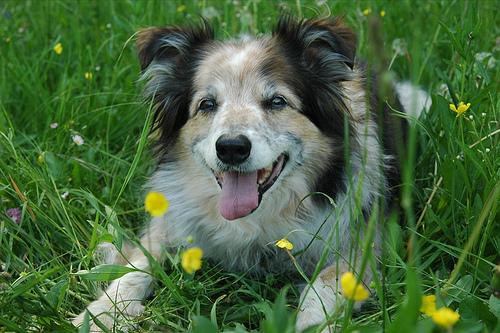
Overview
Shetland Sheepdogs, affectionately called Shelties, look like miniature Rough Collies with their lush coats and elegant expressions. Originally from Scotland's Shetland Islands, these intelligent herding dogs are sensitive, loyal, and excel in obedience and agility. Shelties are generally a healthy long-lived breed, but they share several genetic conditions with their Collie relatives, including the important MDR1 drug sensitivity mutation.
Factors That Affect Shetland Sheepdog Lifespan
Several key factors influence how long a Shetland Sheepdog lives:
- MDR1 genetic testing — affects medication safety for many Shelties
- Eye health screening for Collie Eye Anomaly and PRA
- Hip dysplasia prevention through weight management
- Dermatomyositis monitoring for skin lesions
- Thyroid function testing in middle age
- Dental care for their small mouths
Common Health Issues in Shetland Sheepdogs
Understanding breed-specific health conditions helps owners recognize problems early:
| Health Issue | Description |
|---|---|
| MDR1 Drug Sensitivity | About 15-35% of Shelties carry a genetic mutation making them dangerously sensitive to common medications including ivermectin, loperamide, and certain chemotherapy drugs. DNA testing before any medication is essential. |
| Collie Eye Anomaly (CEA) | An inherited condition affecting the retina and choroid. Can cause vision impairment ranging from mild to blindness. Screening by a veterinary ophthalmologist is recommended, and DNA testing identifies carriers. |
| Dermatomyositis (Sheltie Skin Syndrome) | An inflammatory condition causing skin lesions, hair loss, and muscle inflammation. More common in Shelties than many breeds. Triggers can include sun exposure and stress. Requires veterinary dermatology management. |
| Hip Dysplasia | Affects approximately 5% of Shelties. While lower than many larger breeds, still a concern. Weight management and appropriate exercise help manage this condition. |
| Hypothyroidism | An underactive thyroid common in Shelties. Symptoms include weight gain, hair loss, and lethargy. Lifetime daily medication effectively manages this condition after diagnosis via blood work. |
| Progressive Retinal Atrophy (PRA) | An inherited degenerative eye disease causing gradual vision loss. DNA testing for breeding dogs helps reduce incidence in the breed. |
Shetland Sheepdog Care by Life Stage
Your Shetland Sheepdog's care needs change significantly throughout their life:
Puppy (0-1 year)
Get MDR1 DNA test immediately. Feed small-breed puppy food. Begin gentle socialization — Shelties can be reserved with strangers. Start basic obedience — their intelligence thrives on training. Handle paws and mouth for grooming and dental care.
Young Adult (1-2 years)
Transition to adult food. Provide daily exercise: 30-45 minutes walks plus mental challenges. Schedule first ophthalmologist eye exam. Continue training — Shelties excel at agility and obedience sports.
Adult (2-8 years)
Schedule annual eye exams. Brush thick double coat 2-3 times weekly. Provide mental stimulation through puzzle toys and training. Maintain lean body weight. Schedule annual blood work including thyroid panel.
Senior (8-11 years)
Switch to senior food. Increase vet visits to bi-annual. Monitor for vision and hearing changes. Watch for thyroid symptoms. Reduce high-impact exercise. Provide comfortable bedding.
Geriatric (11+ years)
Provide soft orthopedic bedding. Continue gentle walks. Monitor for cognitive decline. Keep home calm and predictable. Focus on affection and comfort.
Expert Tips for Extending Your Shetland Sheepdog's Lifespan
- Get your Sheltie DNA tested for MDR1 before any new medication
- Schedule annual eye exams with a veterinary ophthalmologist starting at age 1
- Brush their thick double coat 2-3 times weekly to prevent painful mats
- Provide daily mental stimulation — Shelties need a job to be happy
- Never shave your Sheltie's double coat — it regulates temperature year-round
- Use positive reinforcement training — Shelties are sensitive and shut down with harsh methods
- Consider dog sports like agility, rally, or herding — Shelties excel at them
Life Stage Overview
Puppy: 0-1yr | Young Adult: 1-2yr | Adult: 2-8yr | Senior: 8-11yr | Geriatric: 11yr+