Overview
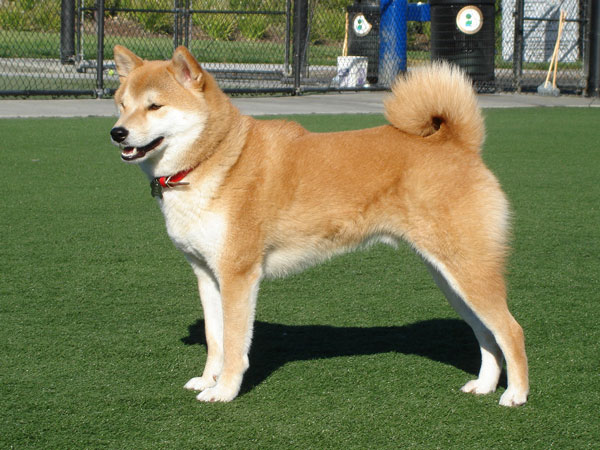
Shiba Inus are Japan's most popular companion dogs — fox-like, spirited, and fiercely independent. With their proud bearing, curled tails, and expressive faces, Shibas have become internet sensations. They are one of the longest-living medium breeds, with many Shibas reaching 14-16 years. Shibas are generally healthy dogs, but they are notoriously prone to allergies, which is the most common health issue owners encounter.
Factors That Affect Shiba Inu Lifespan
Several key factors influence how long a Shiba Inu lives:
- Allergy management — Shibas are one of the most allergy-prone breeds
- Glaucoma screening — Shibas have elevated risk
- Patellar luxation screening and management
- Hip dysplasia prevention through weight management
- Dental care for small-to-medium mouths
- Responsible breeding with health testing
Common Health Issues in Shiba Inus
Understanding breed-specific health conditions helps owners recognize problems early:
| Health Issue | Description |
|---|---|
| Allergies (Atopic Dermatitis) | Shibas are one of the breeds most affected by environmental and food allergies. Intense itching, paw licking, ear infections, and skin problems are common. Identifying triggers and veterinary management dramatically improves quality of life. |
| Glaucoma | Shiba Inus have a notably elevated risk of primary glaucoma. This painful condition causes increased eye pressure and leads to blindness without treatment. Annual eye pressure testing is essential. |
| Patellar Luxation | A slipping kneecap causing intermittent lameness. Common in Shibas. Mild cases may not need treatment; severe cases benefit from surgical correction. |
| Hip Dysplasia | Affects approximately 6-7% of Shibas. While lower than many breeds, still a concern. OFA screening and weight management help. |
| Dental Disease | Shibas can develop periodontal disease without proper care. Daily brushing and professional cleanings maintain oral health. |
| Lymphoma | Shibas have a somewhat elevated risk of lymphoma compared to some breeds. Regular vet checks and monitoring for enlarged lymph nodes help catch it early. |
Shiba Inu Care by Life Stage
Your Shiba Inu's care needs change significantly throughout their life:
Puppy (0-1 year)
Feed measured portions. Begin early socialization — Shibas can be aloof; exposure is critical. Start obedience training with patience — they are independent thinkers. Begin dental care. Handle paws, ears, and mouth.
Young Adult (1-2 years)
Transition to adult food. Schedule first eye exam including pressure check. Provide daily walks and mental stimulation. Watch for allergy signs. Be aware: the Shiba scream is real during nail trims and baths — start young.
Adult (2-10 years)
Manage allergies with veterinary guidance. Schedule annual eye pressure checks — this is critical. Maintain healthy weight. Brush double coat weekly, more during shedding. Continue dental care.
Senior (10-13 years)
Switch to senior food. Increase vet visits to bi-annual including eye pressure checks. Watch for vision changes and arthritis. Provide pet stairs for furniture. Continue allergy management.
Geriatric (13+ years)
Provide soft bedding. Continue gentle walks. Monitor for cognitive decline and vision loss. Keep routine consistent. Focus on comfort and quiet companionship.
Expert Tips for Extending Your Shiba Inu's Lifespan
- Schedule annual glaucoma screening — eye pressure testing non-negotiable
- Work with your vet on allergy management — this impacts daily quality of life
- Be patient with training — Shibas are independent and need creative motivation
- Brush coat weekly, daily during shedding season — Shibas blow coat impressively
- Always use a harness or martingale collar — Shibas are escape artists
- Secure your yard — Shibas have a strong prey drive and will chase small animals
- Start handling exercises early — nail trims require lifelong cooperation
Life Stage Overview
Puppy: 0-1yr | Young Adult: 1-2yr | Adult: 2-10yr | Senior: 10-13yr | Geriatric: 13yr+