Overview
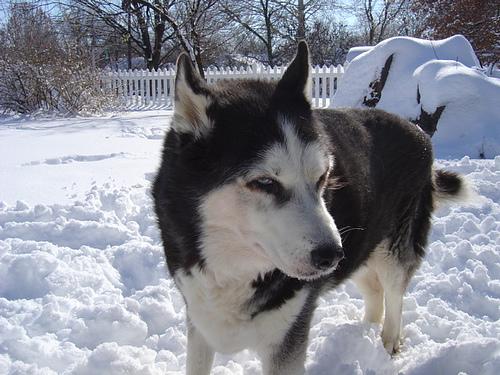
Siberian Huskies are strikingly beautiful dogs known for their wolf-like appearance, thick double coats, and piercing blue or multi-colored eyes. Originally bred by the Chukchi people of Siberia as sled dogs, Huskies are athletic, friendly, and possess incredible endurance. They are one of the healthier large dog breeds with relatively few genetic disorders.
Factors That Affect Siberian Husky Lifespan
Several key factors influence how long a Siberian Husky lives:
- Eye health — Huskies are prone to several inherited eye conditions
- Exercise needs — daily vigorous activity is essential
- Zinc deficiency management through proper diet
- Hip health screening for dysplasia
- Temperature safety — their thick coats make them heat-sensitive
- Genetic screening from responsible breeders
Common Health Issues in Siberian Huskys
Understanding breed-specific health conditions helps owners recognize problems early:
| Health Issue | Description |
|---|---|
| Cataracts | Huskies are prone to juvenile cataracts which can appear as early as 6 months of age. This inherited condition causes lens opacity and can lead to blindness. Annual eye exams by an ophthalmologist are recommended. |
| Progressive Retinal Atrophy (PRA) | An inherited degenerative eye disease causing gradual vision loss and eventual blindness. No treatment exists, but DNA testing can identify carriers and affected dogs. |
| Corneal Dystrophy | A condition causing opacity in the cornea, typically appearing in young adult Huskies. While usually not painful, it can affect vision in advanced cases. |
| Hip Dysplasia | Less common in Huskies than other large breeds but still a concern. Affects about 5-6% of Siberian Huskies. Weight management and appropriate exercise help prevent symptoms. |
| Zinc Responsive Dermatosis | A genetic condition where the dog cannot absorb zinc properly, causing crusty skin lesions around the eyes, mouth, and paws. Managed with zinc supplementation under veterinary guidance. |
| Hypothyroidism | An underactive thyroid causing weight gain, hair loss, and lethargy. Blood work confirms diagnosis. Lifelong daily medication effectively manages this condition. |
Siberian Husky Care by Life Stage
Your Siberian Husky's care needs change significantly throughout their life:
Puppy (0-1 year)
Feed medium-breed puppy food. Husky puppies have tremendous energy — provide ample exercise and mental stimulation. Begin early socialization and obedience training. Secure your yard — Huskies are escape artists. Avoid strenuous exercise during hot weather.
Young Adult (1-2 years)
Transition to adult food. Provide minimum 60 minutes of vigorous exercise daily — running, hiking, pulling. Mental stimulation through training and puzzle toys is equally important. Schedule first ophthalmologist eye exam.
Adult (2-8 years)
Maintain consistent exercise routine. Continue annual eye exams. Monitor weight — Huskies are efficient eaters who need less food than expected. Brush coat weekly, daily during shedding season. Never shave their double coat.
Senior (8-11 years)
Reduce exercise intensity but maintain daily walks. Switch to senior food. Schedule bi-annual vet visits. Watch for vision changes. Maintain cool environment — senior Huskies still struggle with heat.
Geriatric (11+ years)
Provide orthopedic bedding for aging joints. Monitor for vision loss and adjust home environment. Continue gentle exercise — short walks and mental games. Focus on comfort and quality of life.
Expert Tips for Extending Your Siberian Husky's Lifespan
- Schedule annual eye exams with a veterinary ophthalmologist starting at age 1
- Provide 60-90 minutes of exercise daily — a tired Husky is a happy Husky
- Never shave your Husky's double coat — it protects them from both cold and heat
- Secure your yard with 6-foot fences — Huskies are legendary escape artists
- Feed a high-quality diet with adequate zinc levels to prevent deficiency
- Always use a leash — Huskies have a strong prey drive and unreliable recall
- Watch for heat stress in summer — exercise in early morning or evening only
Life Stage Overview
Puppy: 0-1yr | Young Adult: 1-2yr | Adult: 2-8yr | Senior: 8-11yr | Geriatric: 11yr+