Overview
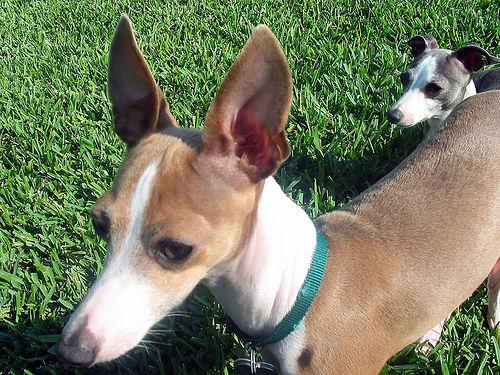
Whippets are the Goldilocks of sighthounds — not too big like a Greyhound, not too small like an Italian Greyhound, but just right. These elegant, gentle dogs are known for their incredible sprinting speed, calm indoor demeanor, and affectionate nature. Whippets are one of the healthiest dog breeds overall, with excellent longevity (many live to 14-15 years). Their lean build and relatively limited genetic issues make them a low-maintenance breed health-wise.
Factors That Affect Whippet Lifespan
Several key factors influence how long a Whippet lives:
- Anesthesia sensitivity — sighthounds need special protocols
- Eye health — PRA and cataracts
- Skin care — thin skin and sparse coat are easily injured
- Heart murmur monitoring
- Cold sensitivity — their lean bodies lose heat quickly
- Exercise with safe off-leash sprinting opportunities
Common Health Issues in Whippets
Understanding breed-specific health conditions helps owners recognize problems early:
| Health Issue | Description |
|---|---|
| Anesthesia Sensitivity | Like all sighthounds, Whippets have low body fat and metabolize drugs differently. Standard anesthesia protocols can be dangerous. Always ensure your vet is experienced with sighthound-specific anesthesia. |
| Progressive Retinal Atrophy (PRA) | An inherited eye disease causing gradual vision loss. DNA testing can identify carriers. Annual eye exams help monitor affected dogs. |
| Mitral Valve Disease | Some Whippets develop heart murmurs related to mitral valve degeneration with age. Regular cardiac auscultation during vet visits monitors progression. |
| Cataracts | Can develop with age. Annual eye exams help catch cataracts early. Surgical removal can restore vision. |
| Skin Injuries | Whippets have very thin skin and minimal body fat, making them prone to cuts, scrapes, and tears during play or outdoor activity. Keep a first aid kit handy. |
| Cold Sensitivity | Their lean build and thin coat provide little insulation. Whippets need coats/sweaters in cold weather and should not be left outside in cool temperatures. |
Whippet Care by Life Stage
Your Whippet's care needs change significantly throughout their life:
Puppy (0-1 year)
Feed medium-breed puppy food for lean, controlled growth. Begin socialization — Whippets are gentle but benefit from positive exposure. Provide safe off-leash running in enclosed areas. Always use a martingale collar for walks.
Young Adult (1-2 years)
Transition to adult food. Provide daily sprinting opportunities in enclosed areas. Schedule first eye exam. Whippets are couch potatoes indoors — don't overfeed. Protect from cold with coats.
Adult (2-9 years)
Maintain daily exercise with sprinting. Schedule annual vet visits with cardiac auscultation. Provide soft bedding — their bony bodies need cushioning. Brush coat weekly.
Senior (9-12 years)
Switch to senior food. Increase vet visits to bi-annual including eye and heart checks. Provide extra warmth in cold weather. Watch for vision changes. Their couch potato nature makes aging graceful.
Geriatric (12+ years)
Provide thick orthopedic beds. Keep warm always. Continue gentle walks — sprinting naturally decreases. Monitor for cognitive decline. Focus on comfort and gentle affection.
Expert Tips for Extending Your Whippet's Lifespan
- Always inform your vet your Whippet is a sighthound before any anesthesia
- Provide safe, enclosed areas for sprinting — Whippets can reach 35 mph
- Always use a martingale collar or harness — Whippets can slip standard collars
- Dress your Whippet in a coat when temperature drops below 50°F (10°C)
- Provide thick, cushioned bedding — their bony bodies need padding
- Keep a first aid kit — Whippets' thin skin tears easily during play
- Do not overfeed — Whippets should have visible last 2-3 ribs for optimal health
Life Stage Overview
Puppy: 0-1yr | Young Adult: 1-2yr | Adult: 2-9yr | Senior: 9-12yr | Geriatric: 12yr+