Overview
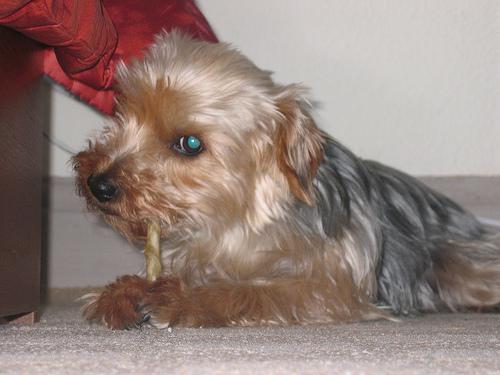
Yorkshire Terriers, affectionately called "Yorkies," are one of the most popular toy breeds in the world. Despite their tiny size, Yorkies have big, bold personalities and a terrier's tenacious spirit. They are generally long-lived dogs with relatively few severe genetic disorders, but their small size creates specific health vulnerabilities that owners should be aware of.
Factors That Affect Yorkshire Terrier Lifespan
Several key factors influence how long a Yorkshire Terrier lives:
- Trauma prevention — their tiny size makes them fragile
- Dental care — small mouths lead to crowded teeth and periodontal disease
- Tracheal health — use harnesses, never collars
- Nutrition in tiny, appropriate portions
- Liver shunt screening in puppies
- Regular grooming and skin health monitoring
Common Health Issues in Yorkshire Terriers
Understanding breed-specific health conditions helps owners recognize problems early:
| Health Issue | Description |
|---|---|
| Dental Disease | Yorkies are highly prone to dental problems due to their tiny jaws with crowded teeth. Periodontal disease is nearly universal without preventive care. Daily brushing and professional cleanings are essential. |
| Tracheal Collapse | A progressive weakening of the tracheal cartilage causing a honking cough. Affects many toy breeds. Always use a harness instead of a collar. Maintain healthy weight to reduce pressure. |
| Portosystemic Shunt (Liver Shunt) | A congenital condition where blood bypasses the liver, failing to remove toxins. Symptoms include poor growth, seizures, and behavioral changes. Treatable with surgery or medical management. |
| Patellar Luxation | Dislocating kneecap causing intermittent lameness. Common in toy breeds. Severe cases benefit from surgical correction. |
| Legg-Calvé-Perthes Disease | A hip joint disorder where the femoral head degenerates due to insufficient blood supply. Typically appears between 4-12 months of age. Requires surgical treatment. |
| Pancreatitis | Inflammation of the pancreas, often triggered by high-fat foods. Yorkies appear to have a genetic predisposition. Feed low-fat diet and avoid table scraps. |
Yorkshire Terrier Care by Life Stage
Your Yorkshire Terrier's care needs change significantly throughout their life:
Puppy (0-1 year)
Feed small, frequent meals. Begin daily tooth brushing routine. Start socialization early — Yorkies need positive exposure to prevent fear behaviors. Handle paws, ears, and mouth for future grooming tolerance. House training requires patience — tiny bladders need frequent potty breaks.
Young Adult (1-2 years)
Transition to adult food. Maintain daily dental care. Establish regular professional grooming schedule. Provide moderate exercise: daily walks and indoor play. Use a harness always. Continue training reinforcement.
Adult (2-10 years)
Maintain strict dental care — daily brushing, regular professional cleanings. Keep at healthy weight — even half a pound matters. Use pet stairs for furniture. Schedule annual vet visits with blood work. Feed high-quality, low-fat food to prevent pancreatitis.
Senior (10-13 years)
Switch to senior food. Increase vet visits to bi-annual. Monitor for signs of tracheal collapse (coughing, especially when excited). Watch for dental issues. Provide warm clothing in cold weather. Reduce exercise intensity but maintain daily walks.
Geriatric (13+ years)
Feed easily digestible food. Monitor for cognitive decline and incontinence. Provide orthopedic bedding and easy access to everything. Be gentle during handling. Focus on comfort and quality of life.
Expert Tips for Extending Your Yorkshire Terrier's Lifespan
- Brush teeth daily — this is non-negotiable for Yorkies
- Always use a harness, never a collar, to protect the trachea
- Feed a low-fat diet to reduce pancreatitis risk
- Schedule professional dental cleanings annually
- Supervise around larger dogs and young children to prevent accidental injury
- Keep your Yorkie warm — their small size means they lose body heat quickly
- Be extremely careful about jumping from furniture — use pet stairs or ramps
Life Stage Overview
Puppy: 0-1yr | Young Adult: 1-2yr | Adult: 2-10yr | Senior: 10-13yr | Geriatric: 13yr+